Roaming Pavilion Grove
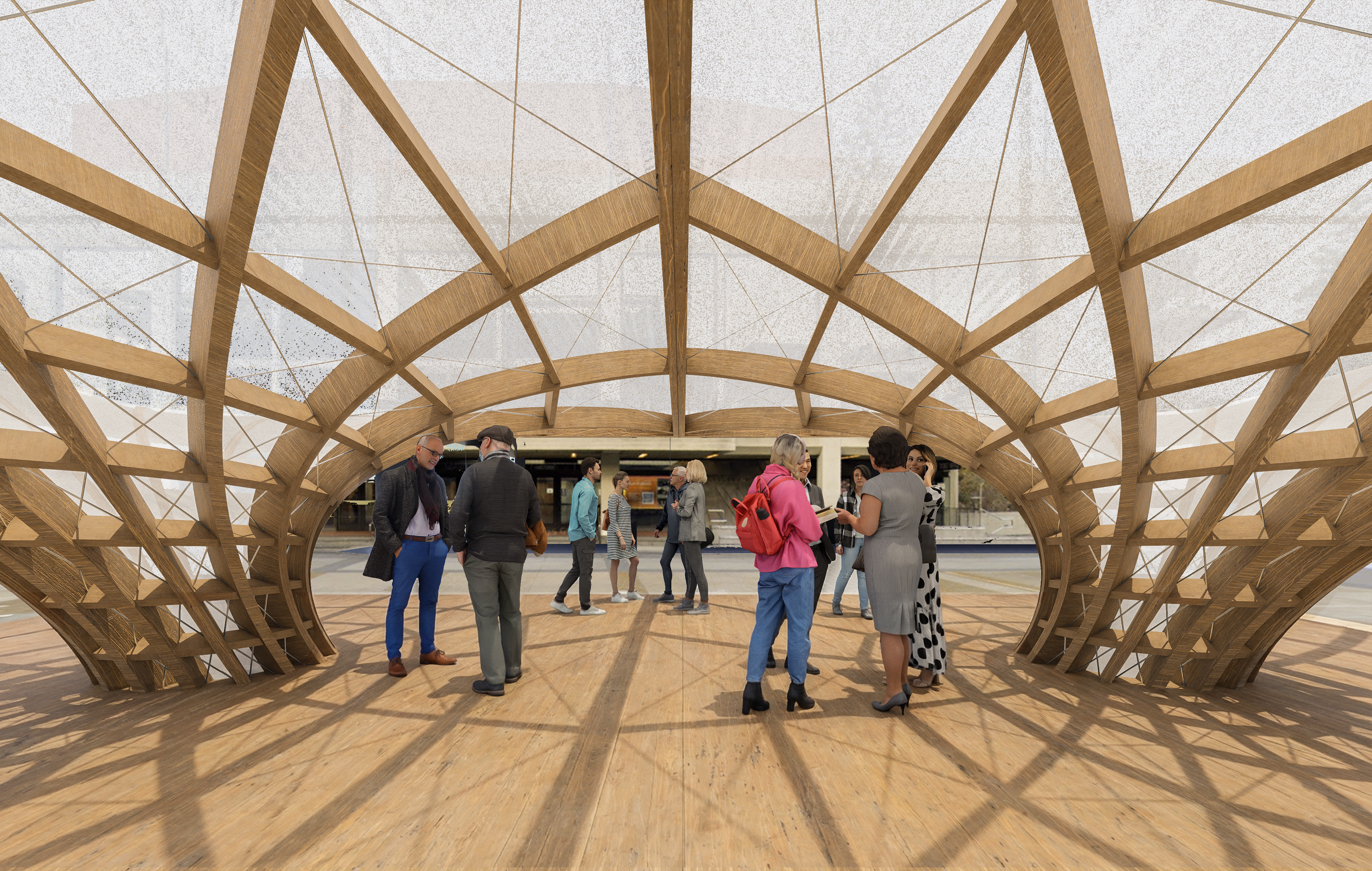
The project aims to respond to real socio-cultural issues by creating a “roof”—a roof structure that plays an invisible or explicit role in everyday public life, or more simply, a place that offers shelter from wind and rain.
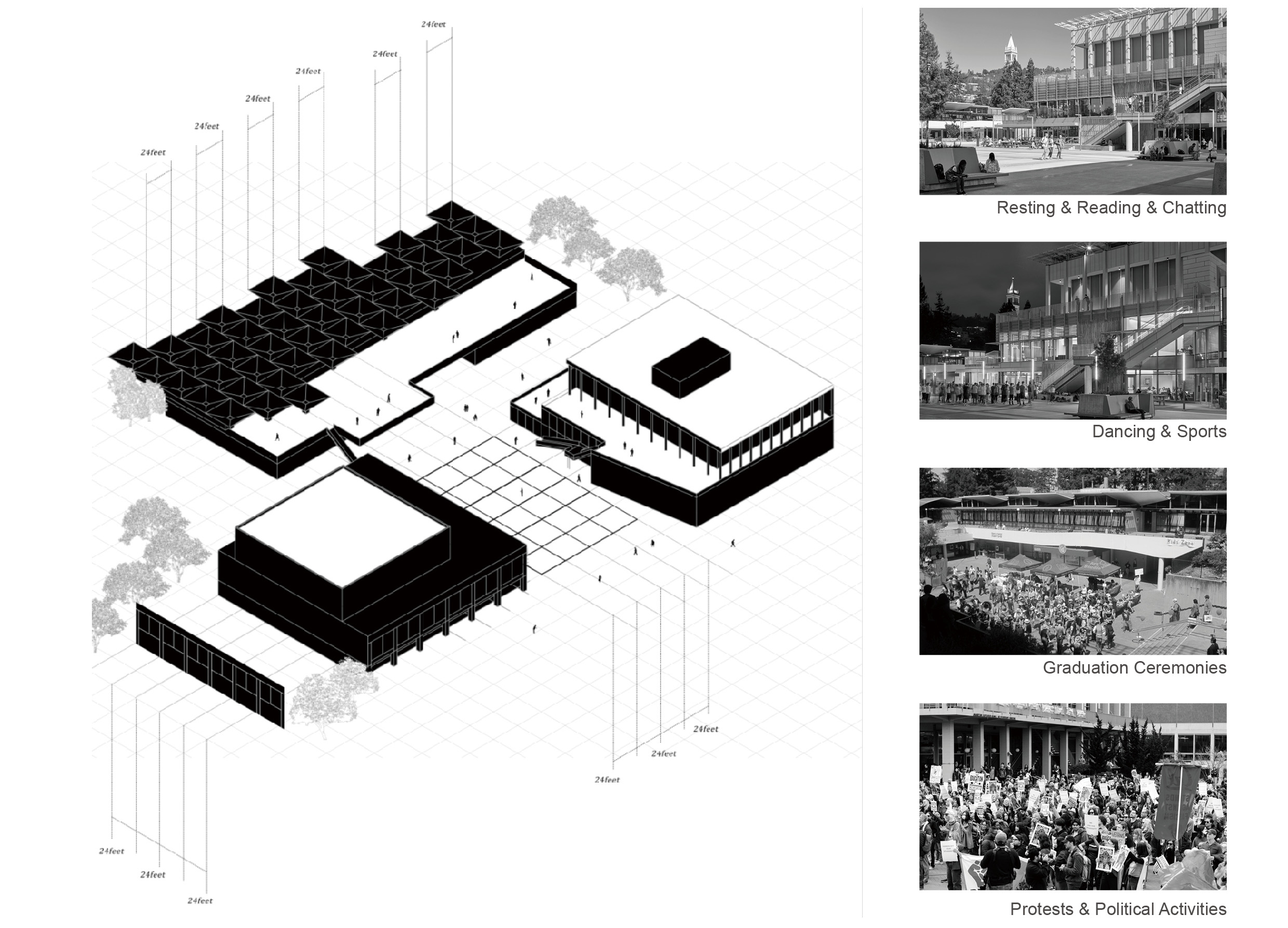
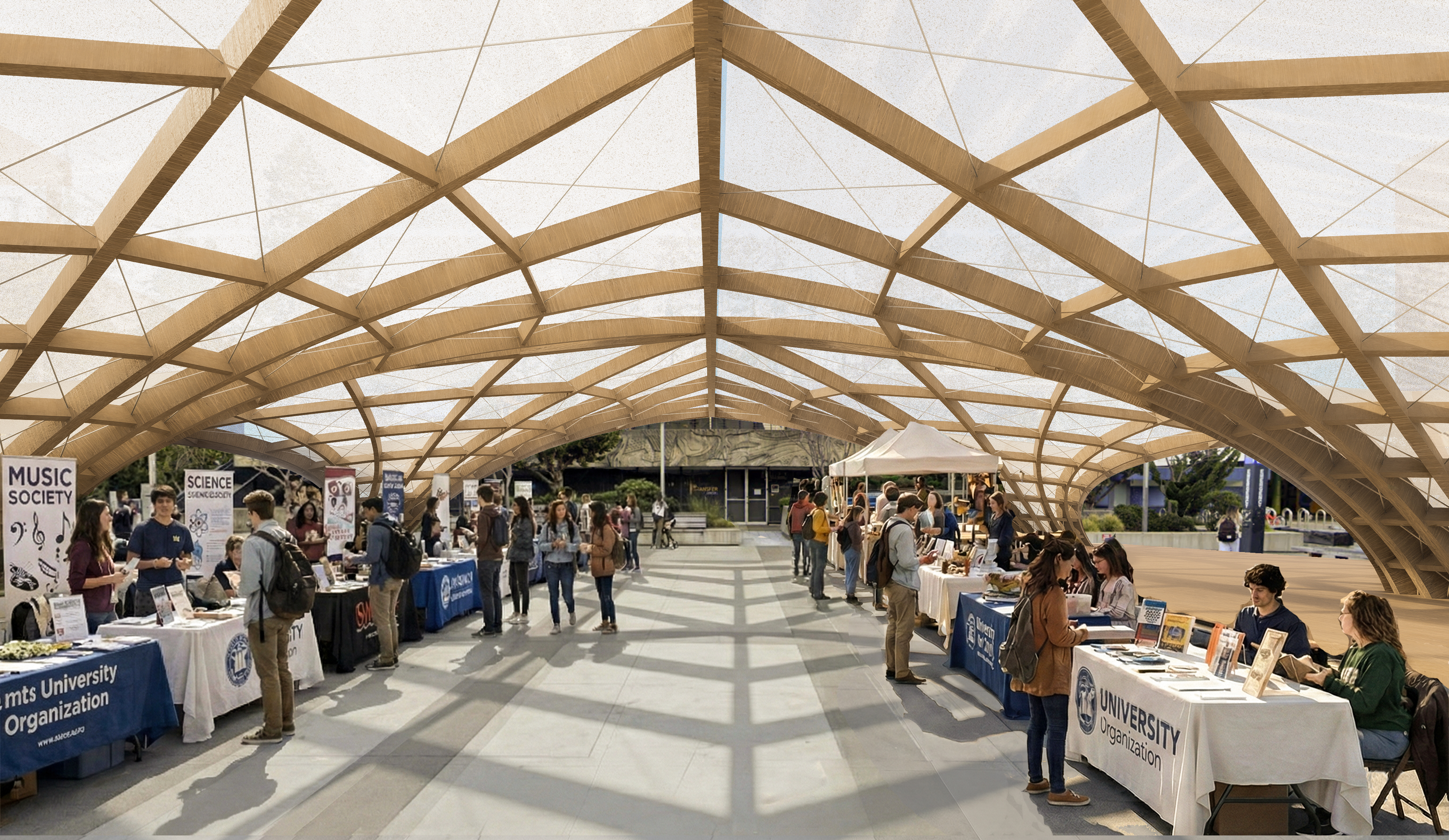
We analyzed Lower Sproul Plaza on the University of California, Berkeley campus, located beside Sather Gate at the south entrance. Open to the public and adjacent to a major circulation route, the plaza is framed by the Zellerbach Hall and nearby student activity buildings. It hosts a large daily flow of people and a wide range of events—including commencement ceremonies, student organization fairs, and even sports gatherings, political protests, and election-related activities.
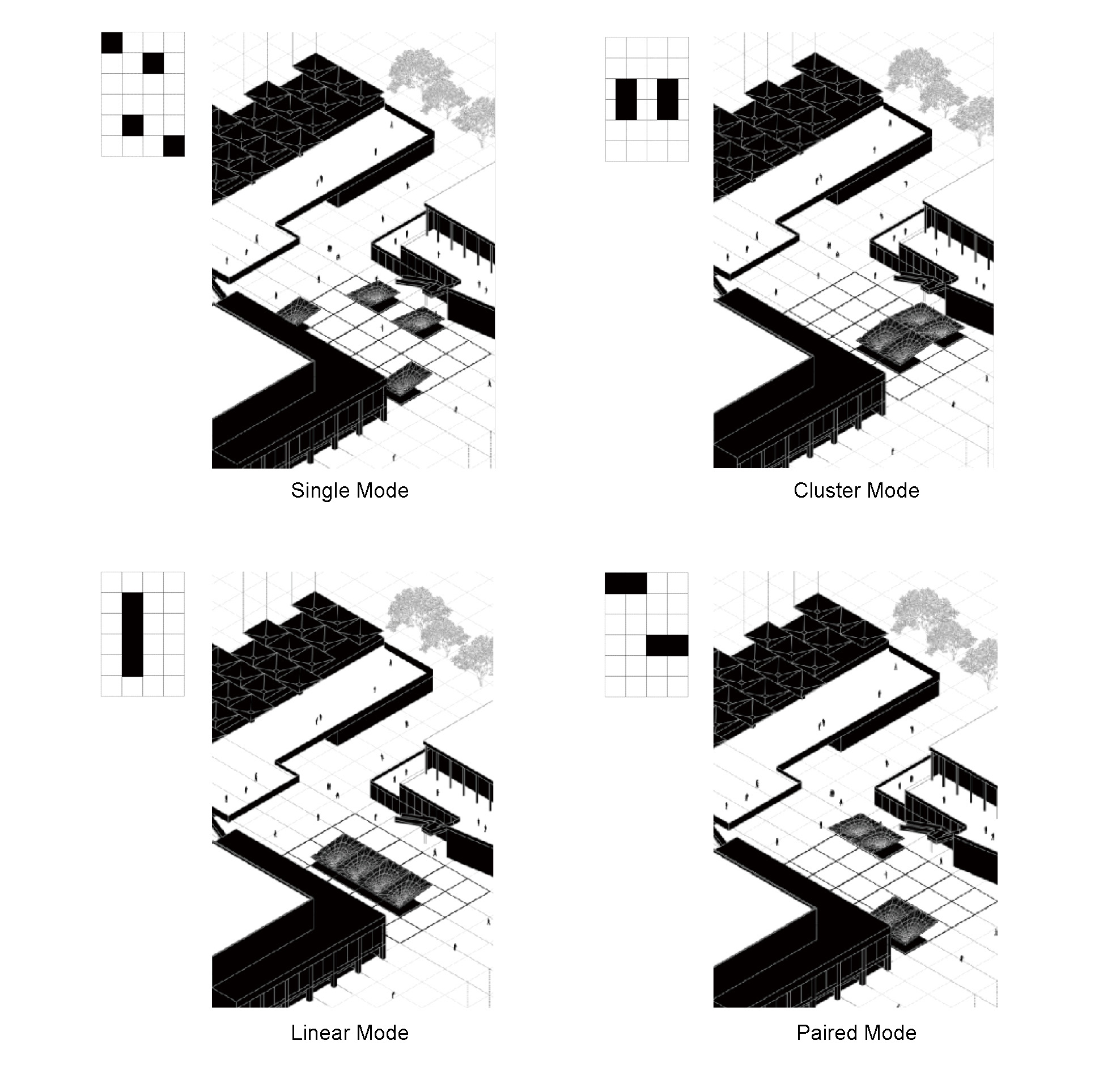
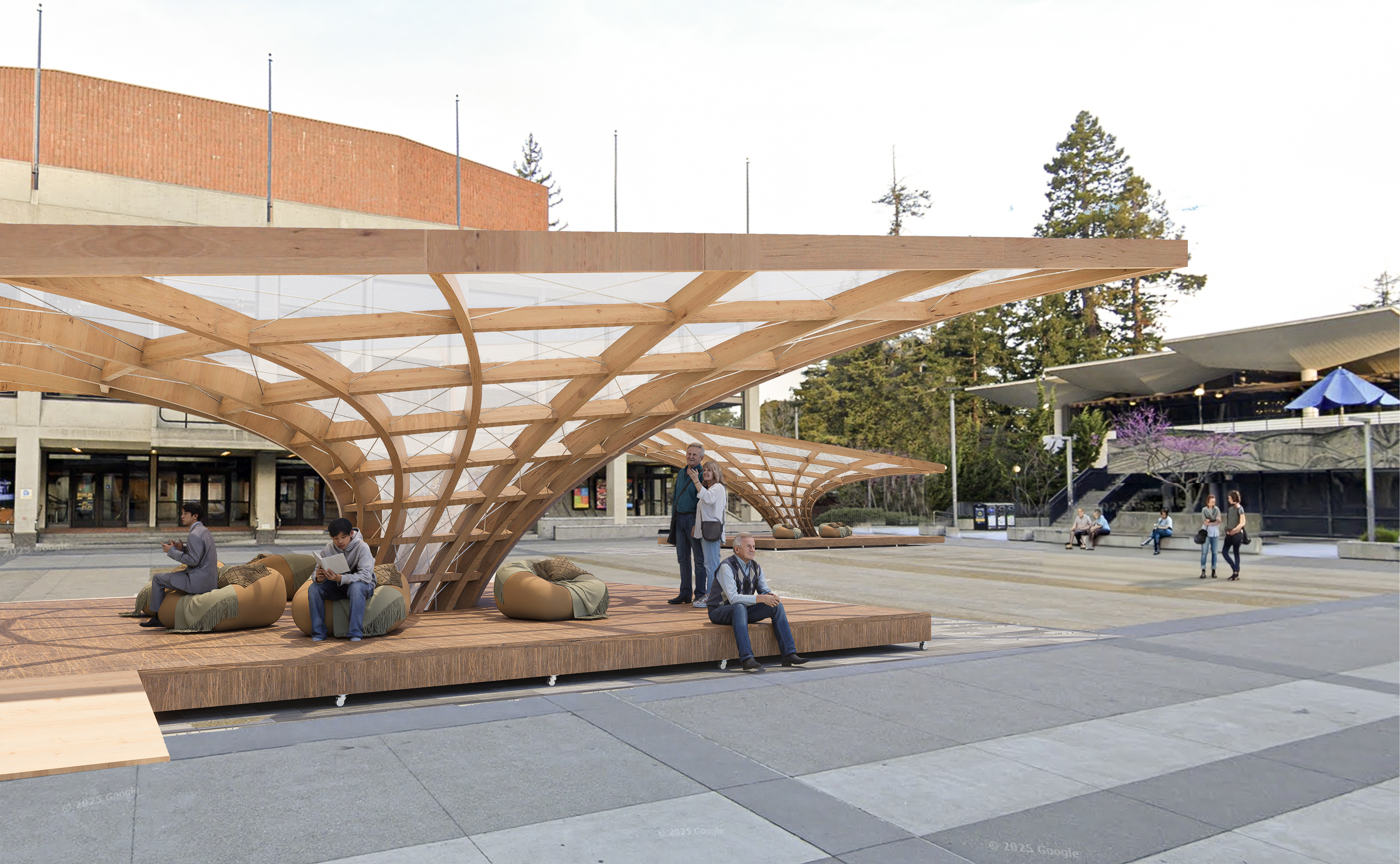
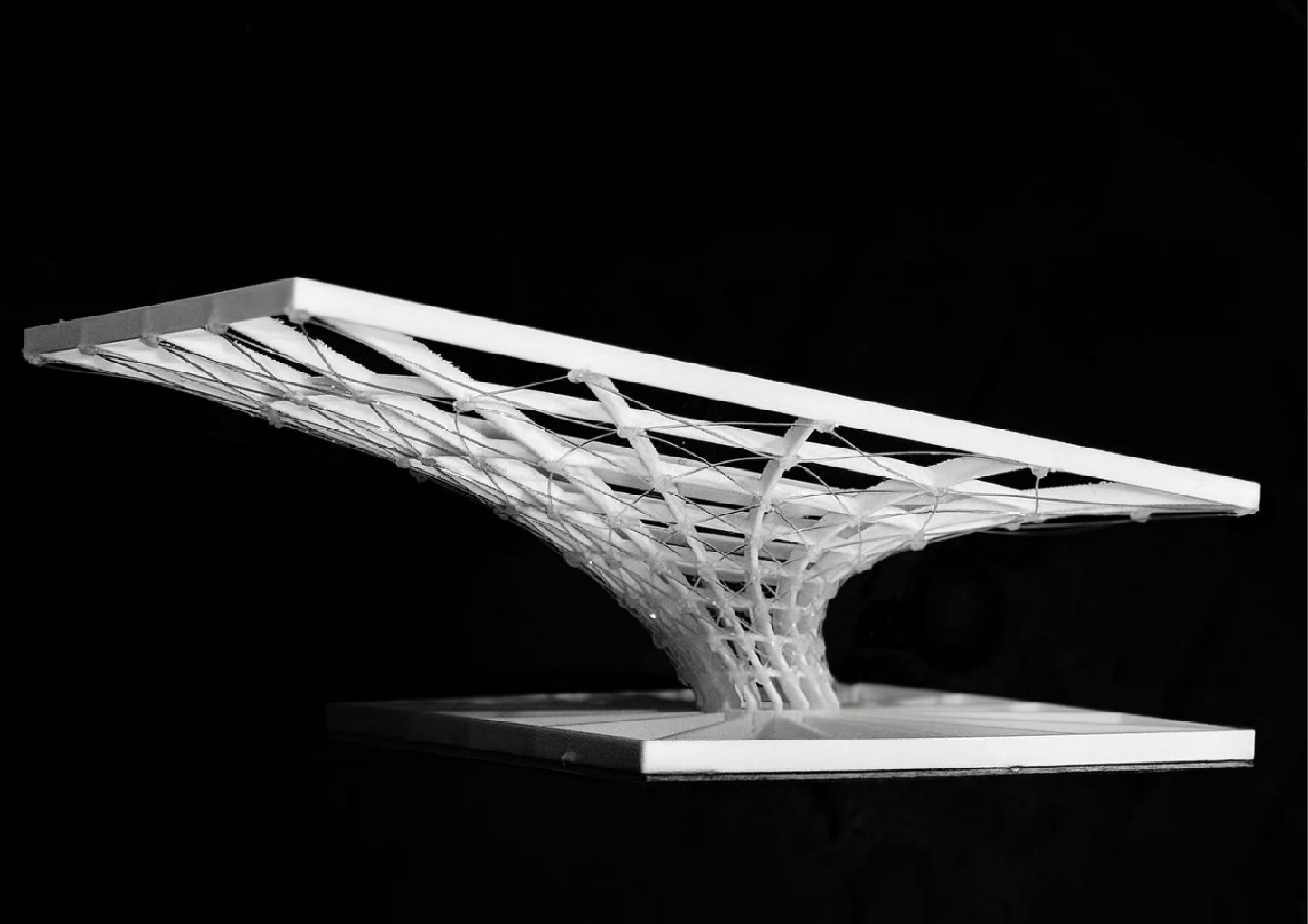
Despite being such a significant social space, it lacks structures that provide weather protection or shade, making events highly dependent on weather conditions. Since the university’s facility investment priorities have not adequately addressed this site, we decided to design a movable shading module that can be assembled or dispersed into different clusters, adapting to social activities at various scales and offering people a form of everyday shelter.
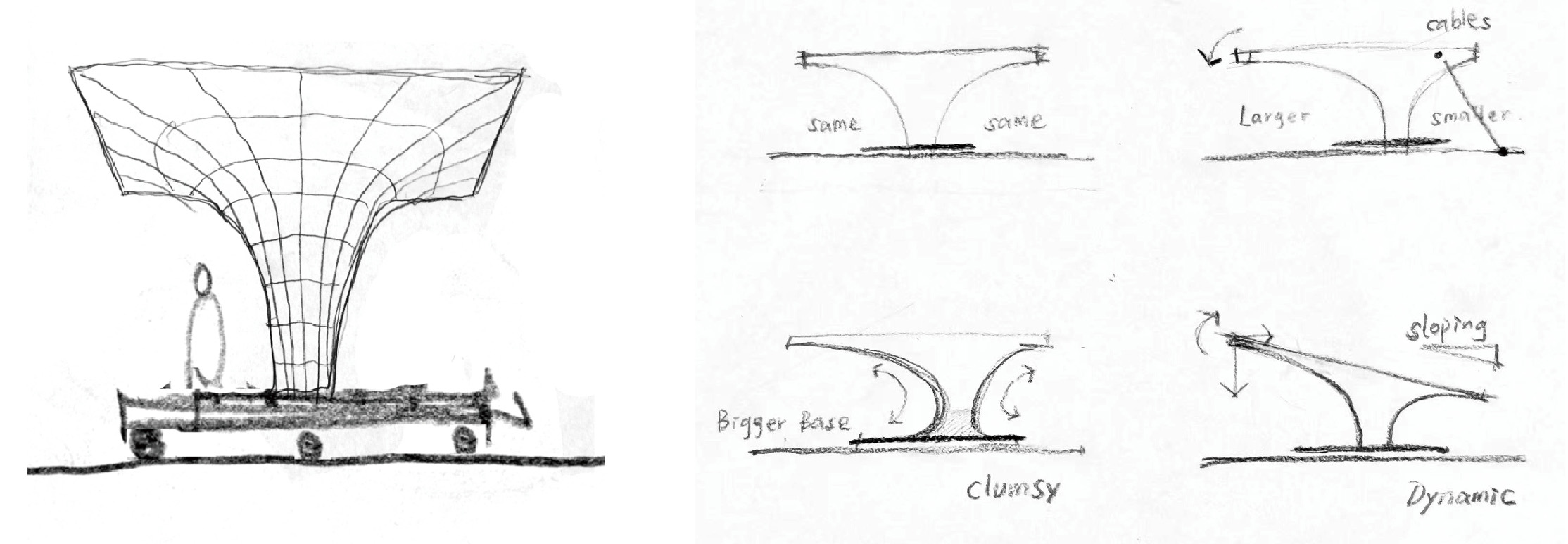
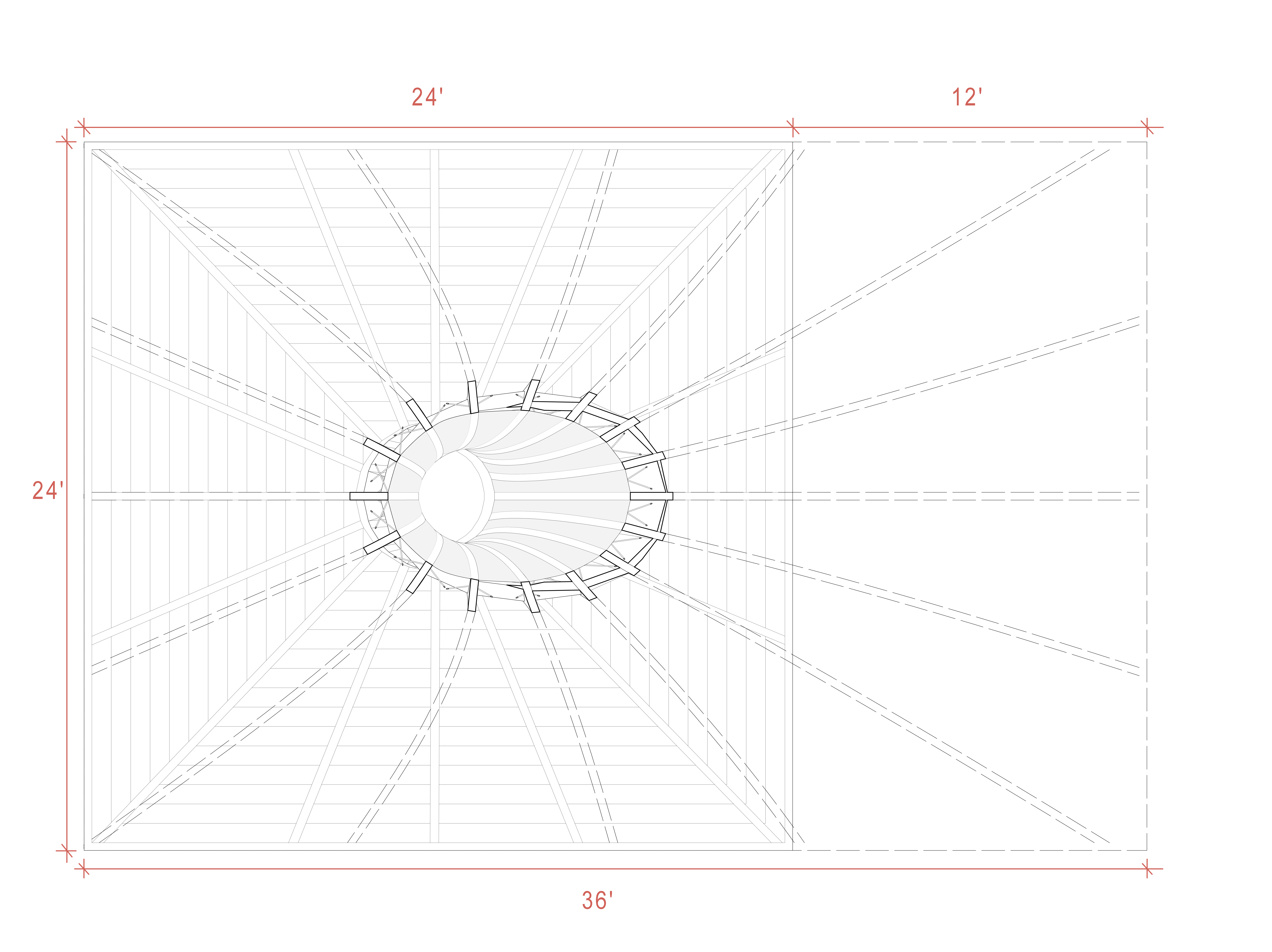
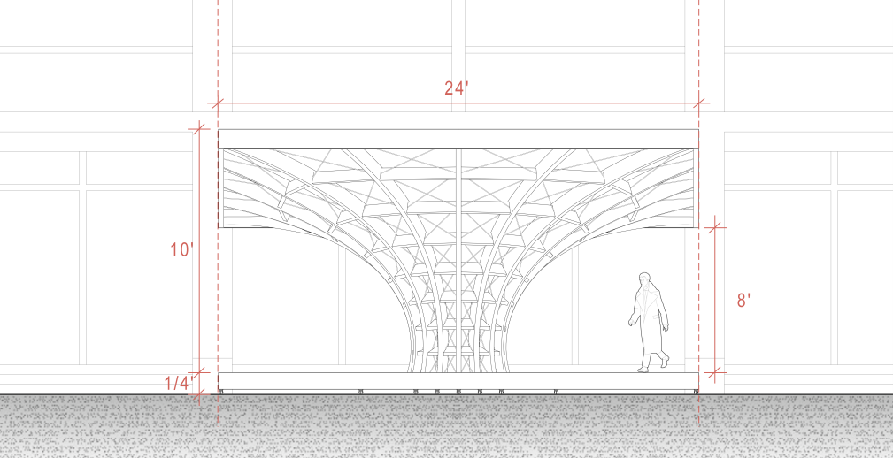
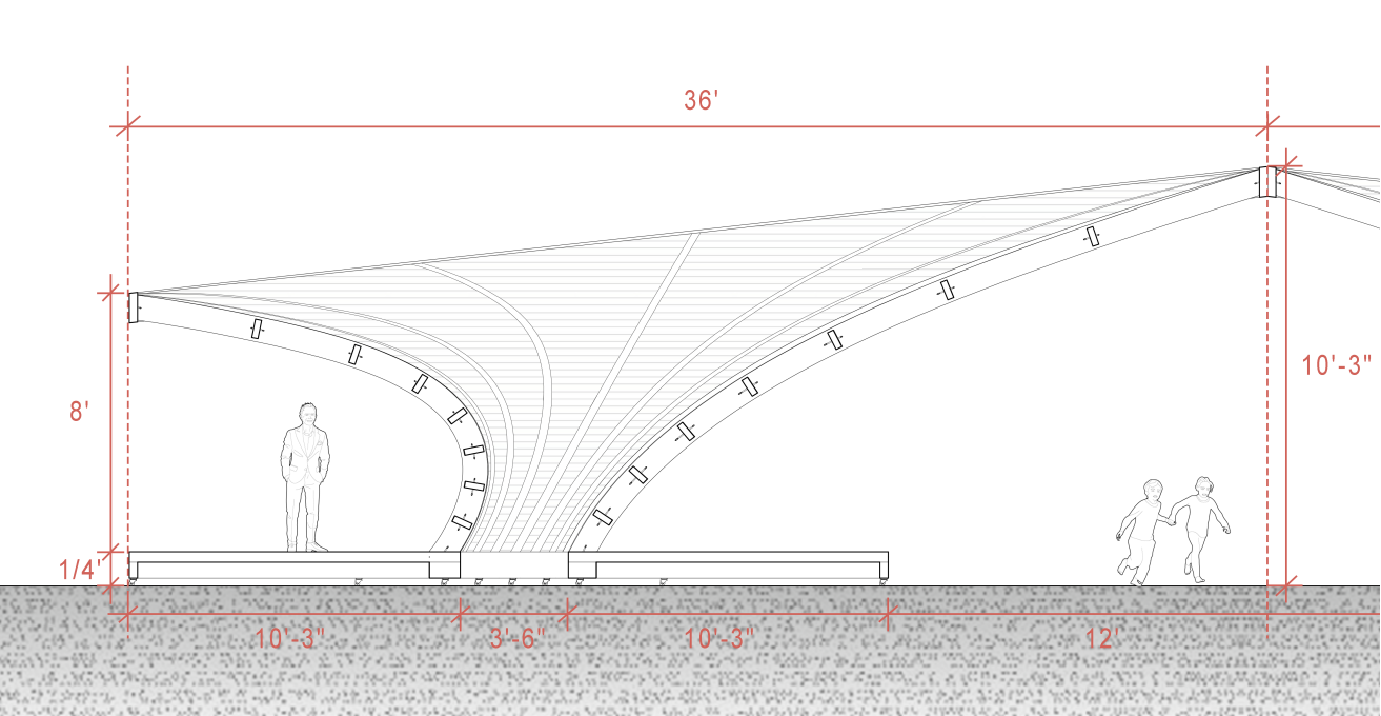
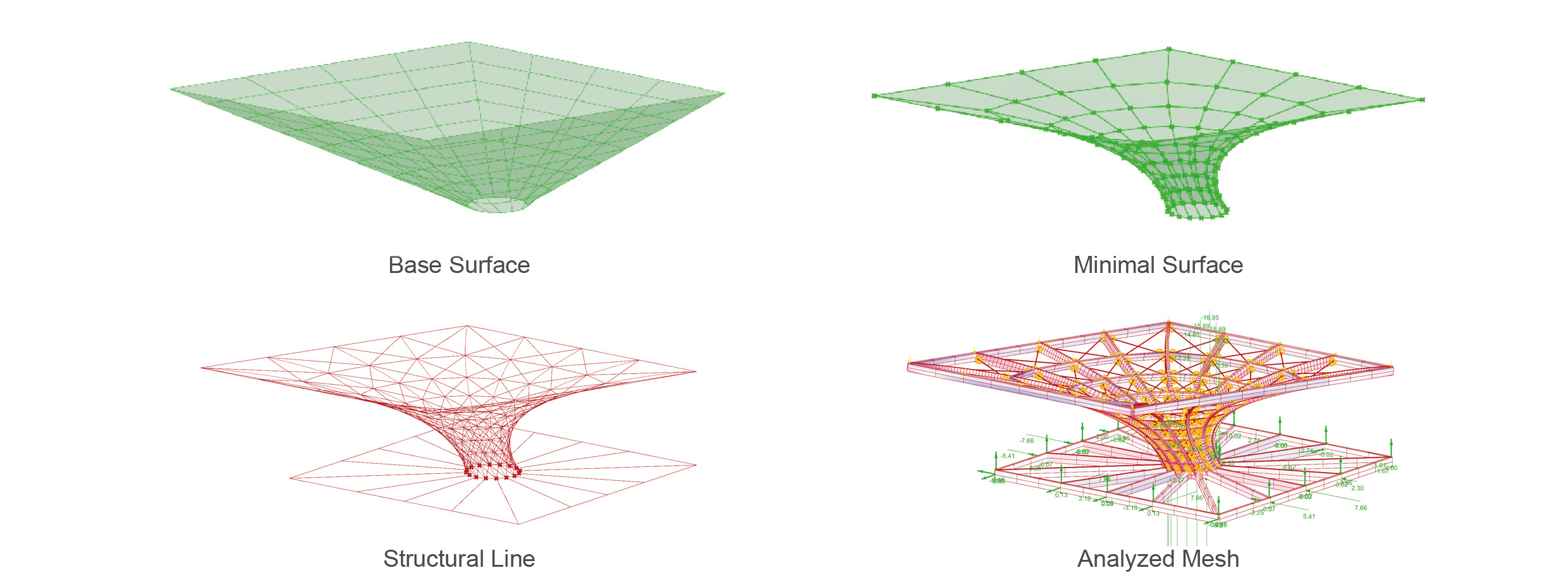
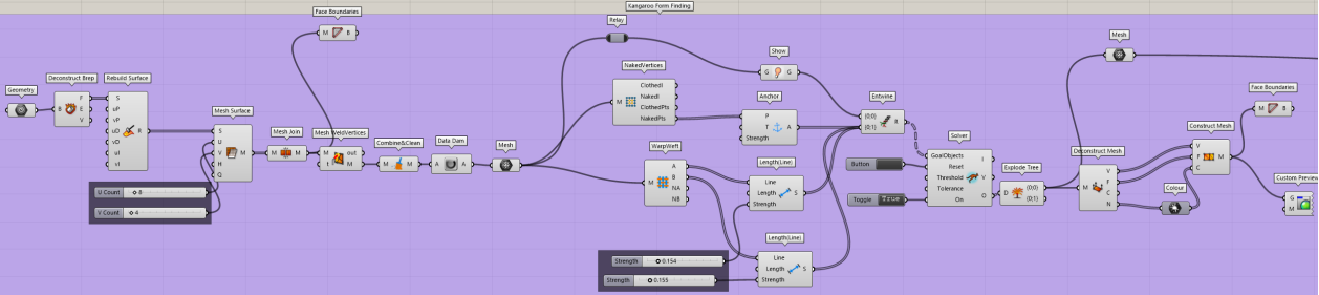
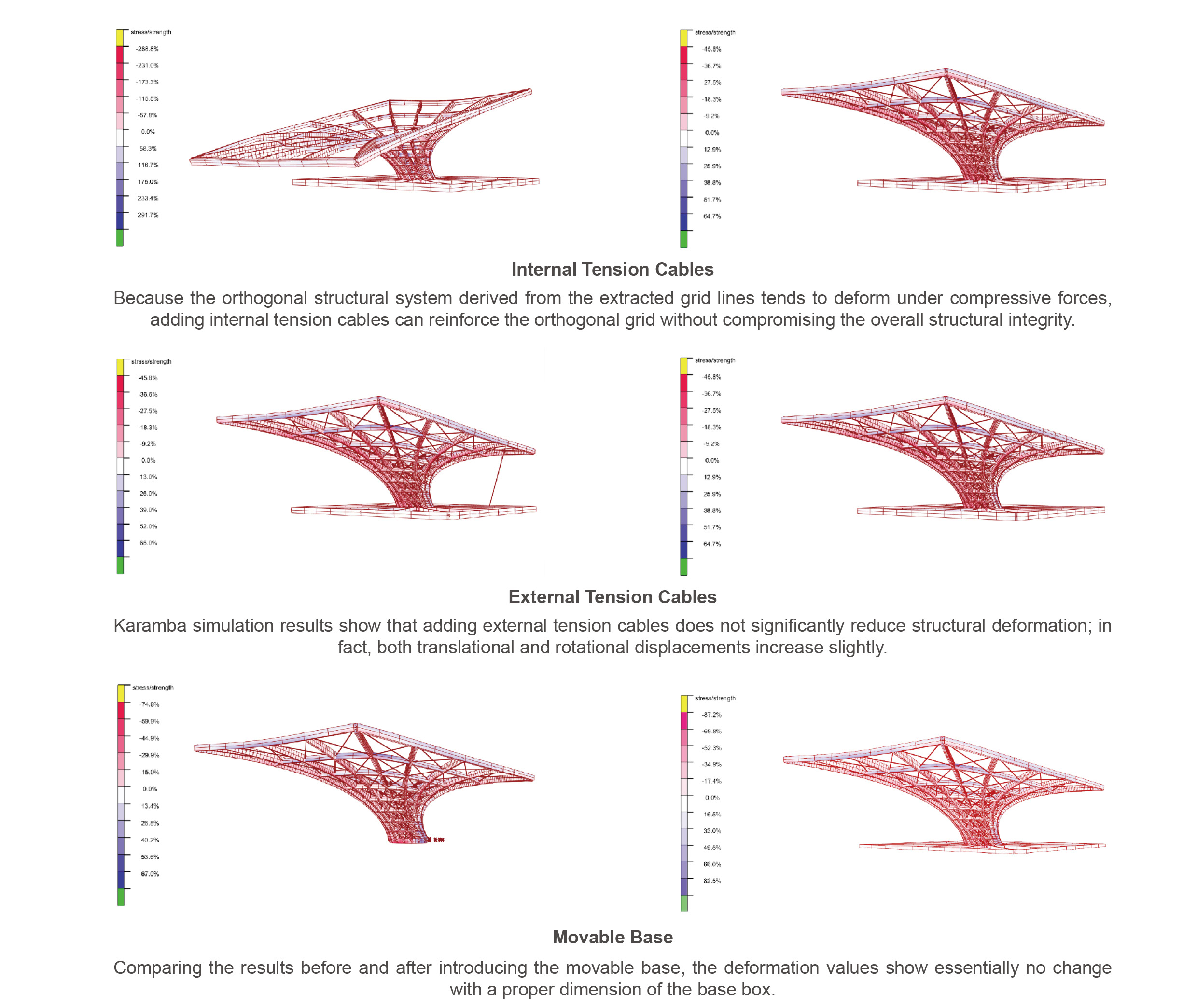
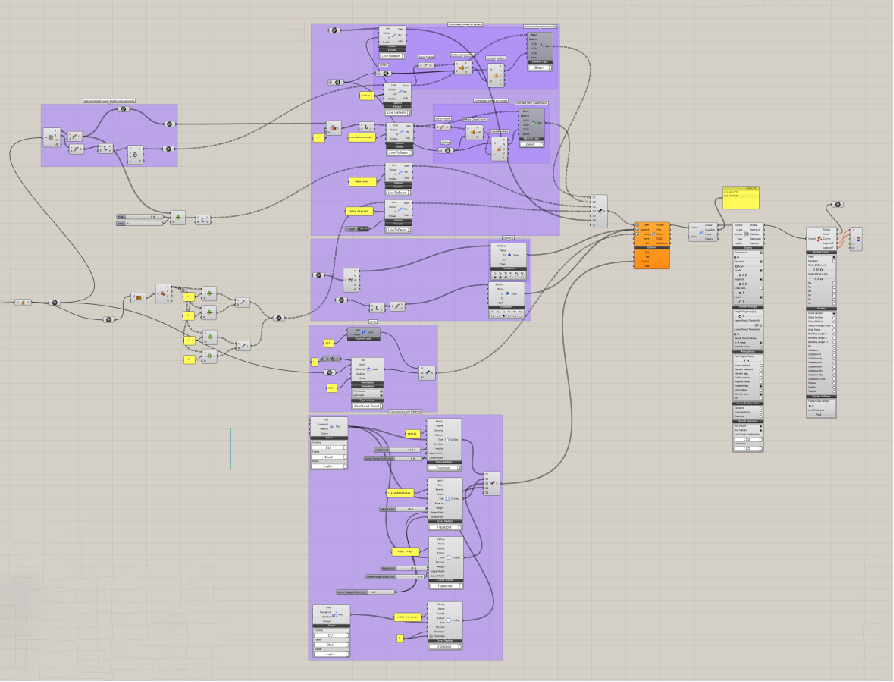
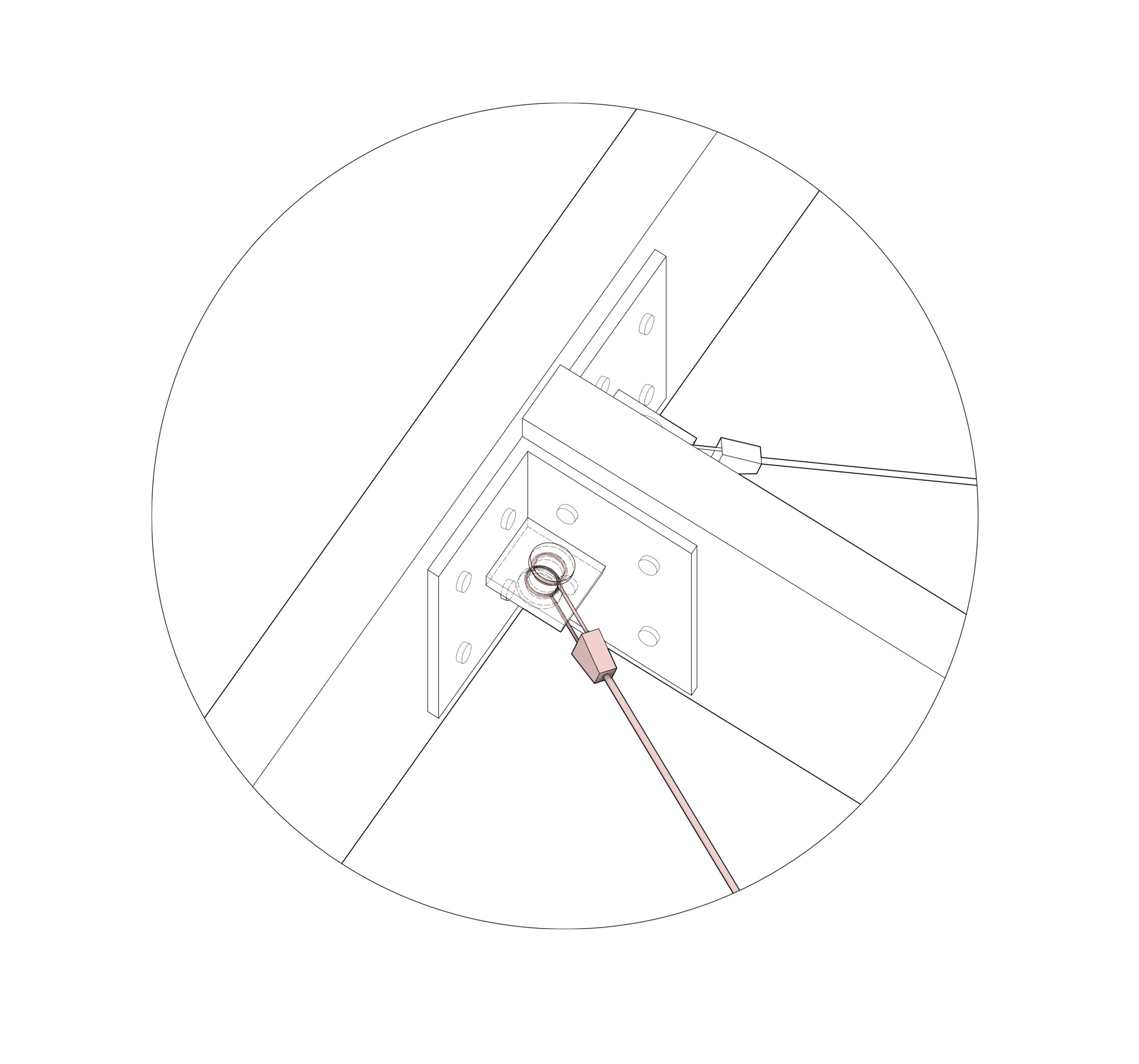
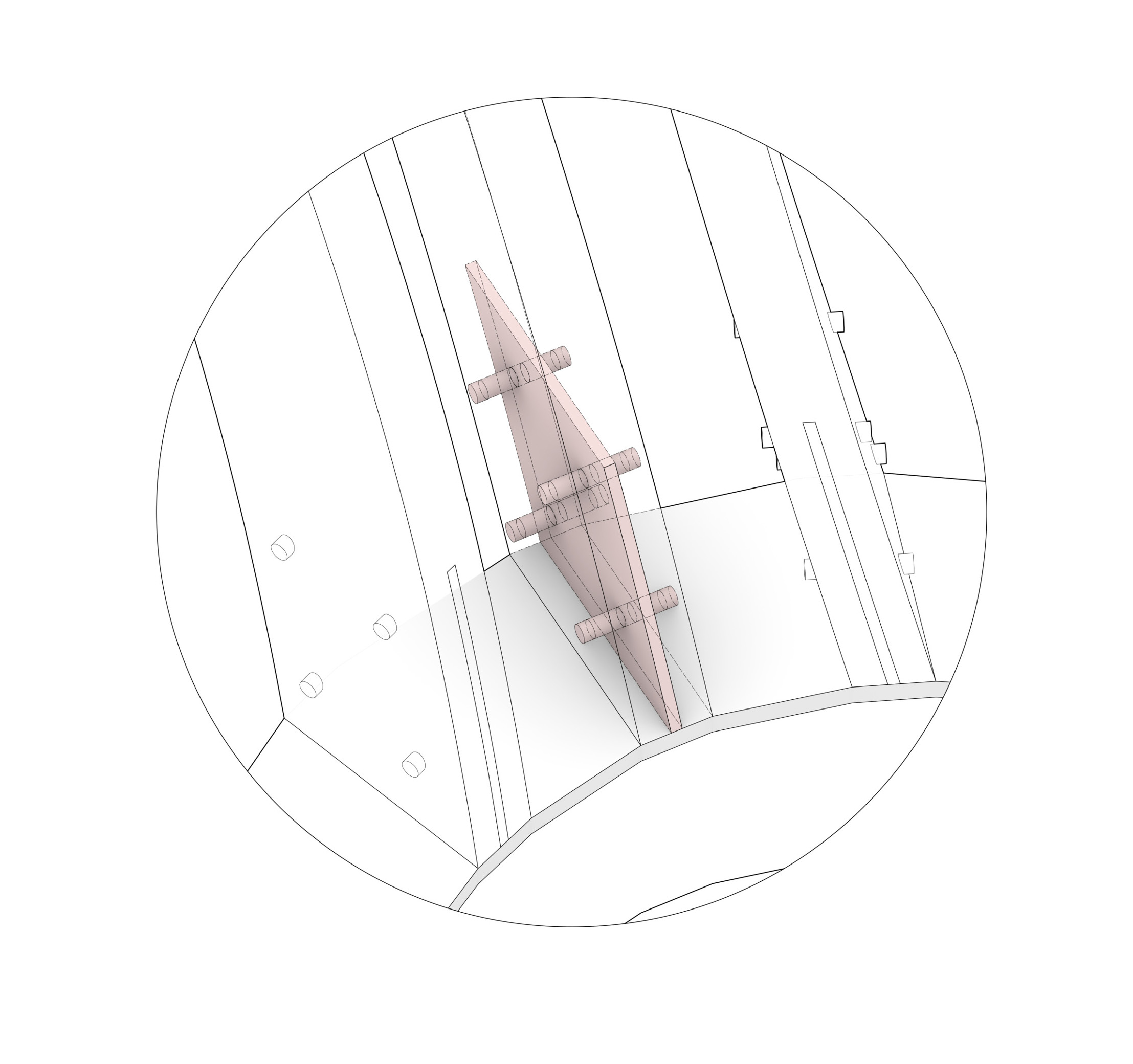
Through a rational site-based zoning strategy and form-finding in Grasshopper 3D using Kangaroo Physics, together with structural simulation in Karamba3D, we developed, constructed, and optimized a movable timber pavilion module—seeking to maximize usable space while strengthening and refining its structural performance, formal expression, and operational flexibility.