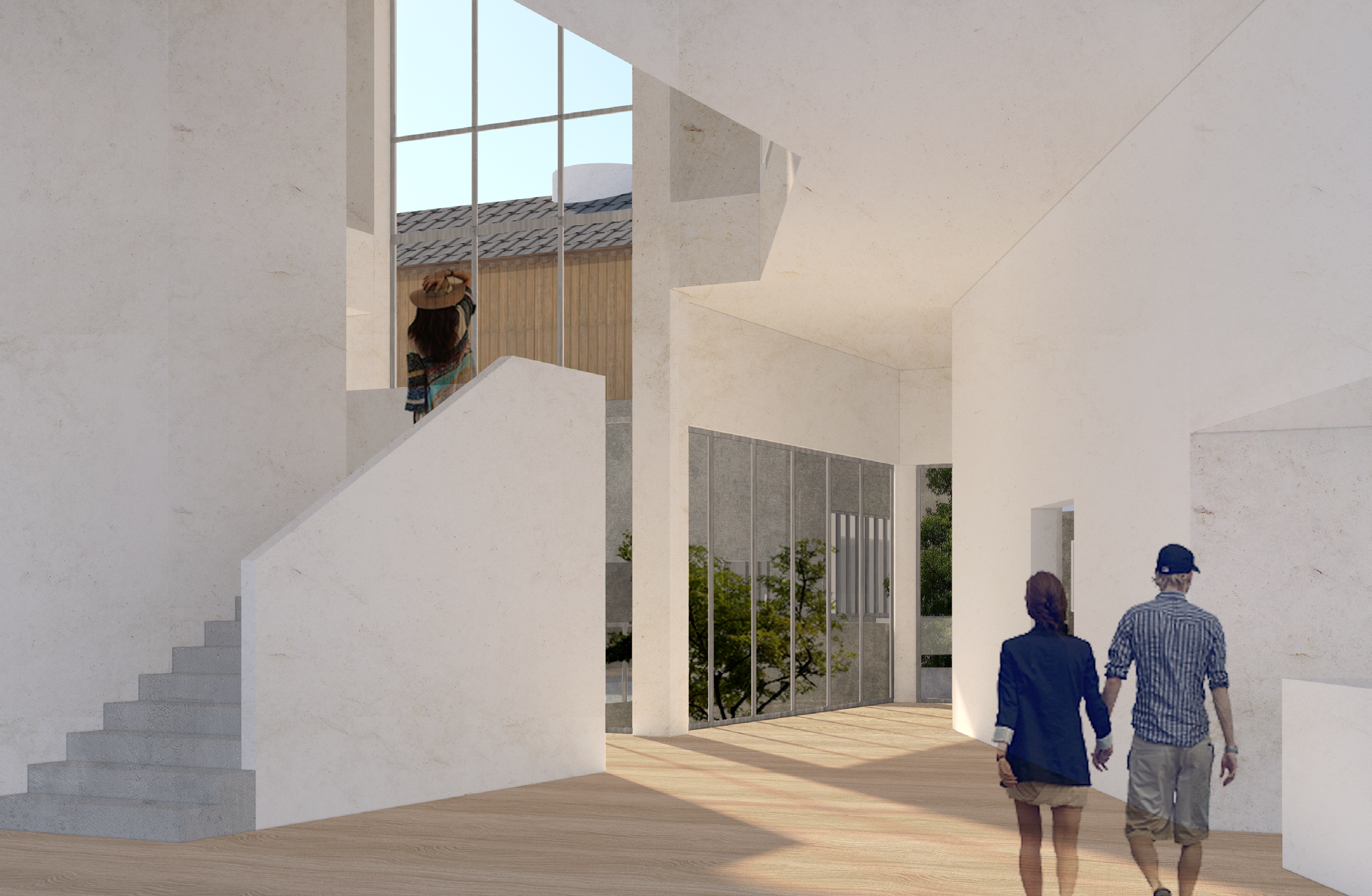
Threshold Courtyard

Threshold Courtyard

Tongji University 2022 Fall Design Studio
Individual Work
Guqin Art Exhibition Pavilion
Instructor: Hu Bin
Site: Yuyuan Road, Shanghai, China
Area: 2000m²
2022.09–2022.11

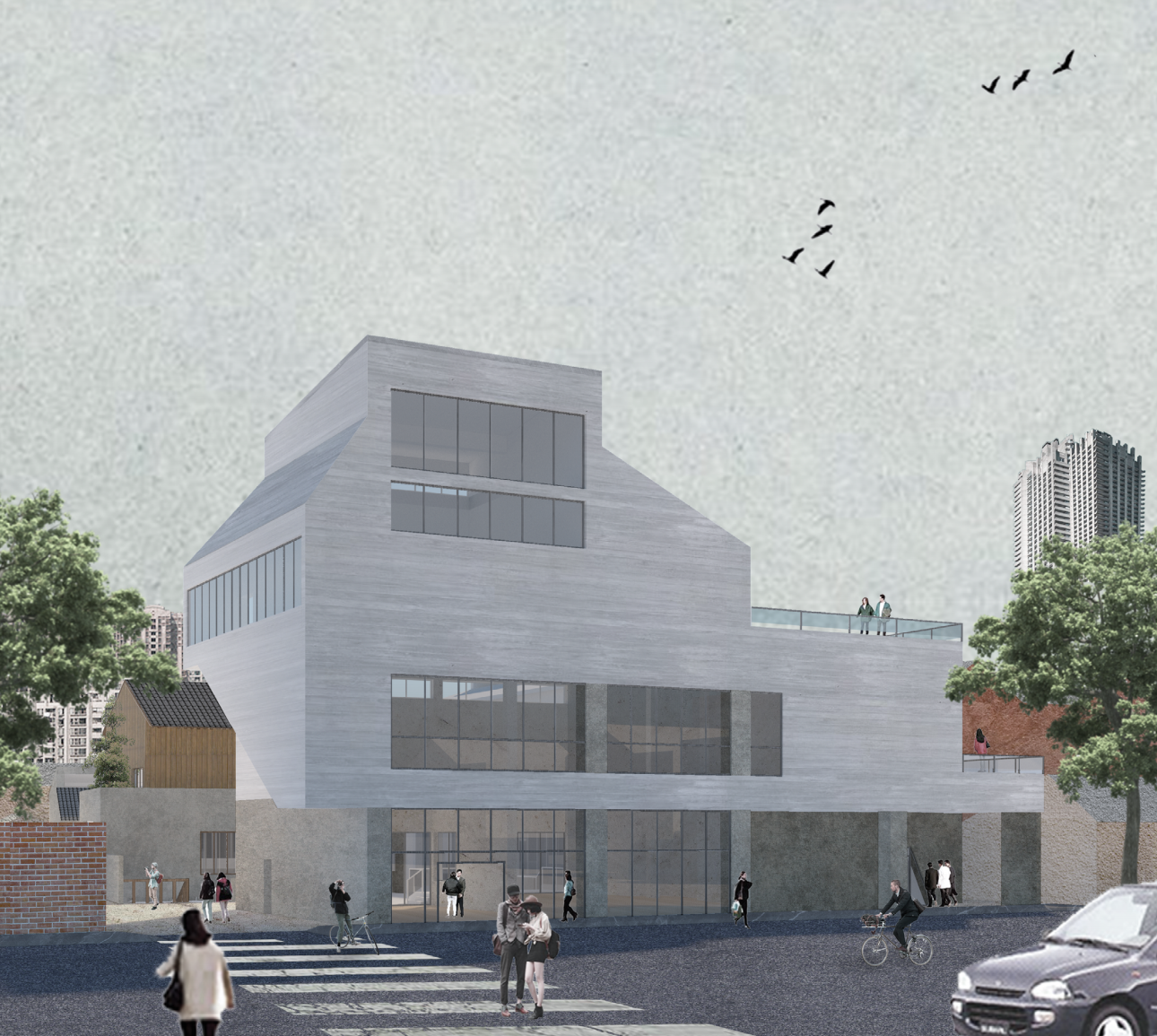
Located on Yuyuan Road in Shanghai, the site is designated for an ancient zither (guqin) art exhibition pavilion. This building finds itself amidst multiple residential complexes and mirrors the characteristic charm of Shanghai’s historic alleyways. The design aims to reflect the architectural style of these traditional alley structures, innovating the interplay between interior and exterior spaces, and integrating Yuyuan Road’s commercial energy into the venue.

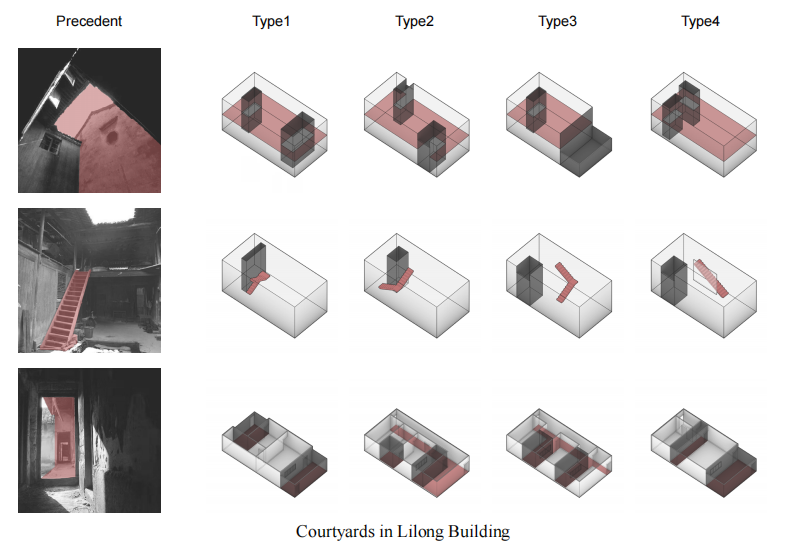
Initially, a detailed survey was conducted to analyze the spatial layout and transportation patterns of the surrounding alley buildings. The “courtyard” was identified as a pivotal architectural element for this analysis. The intrinsic relationship between these courtyards and the broader spatial configuration was examined, accompanied by an assessment of how movement flows interact with the courtyards’ placements. This understanding was then incorporated into the design strategy for the exhibition pavilion, ensuring its spatial sequence and atmosphere align with Yuyuan Road’s iconic alley buildings. This approach seeks to capture and amplify the area’s unique architectural essence and everyday cultural vibe. Moreover, a focused study on defining the pavilion’s boundaries was conducted, ensuring a harmonious relationship with the surrounding environment, roads, and buildings.

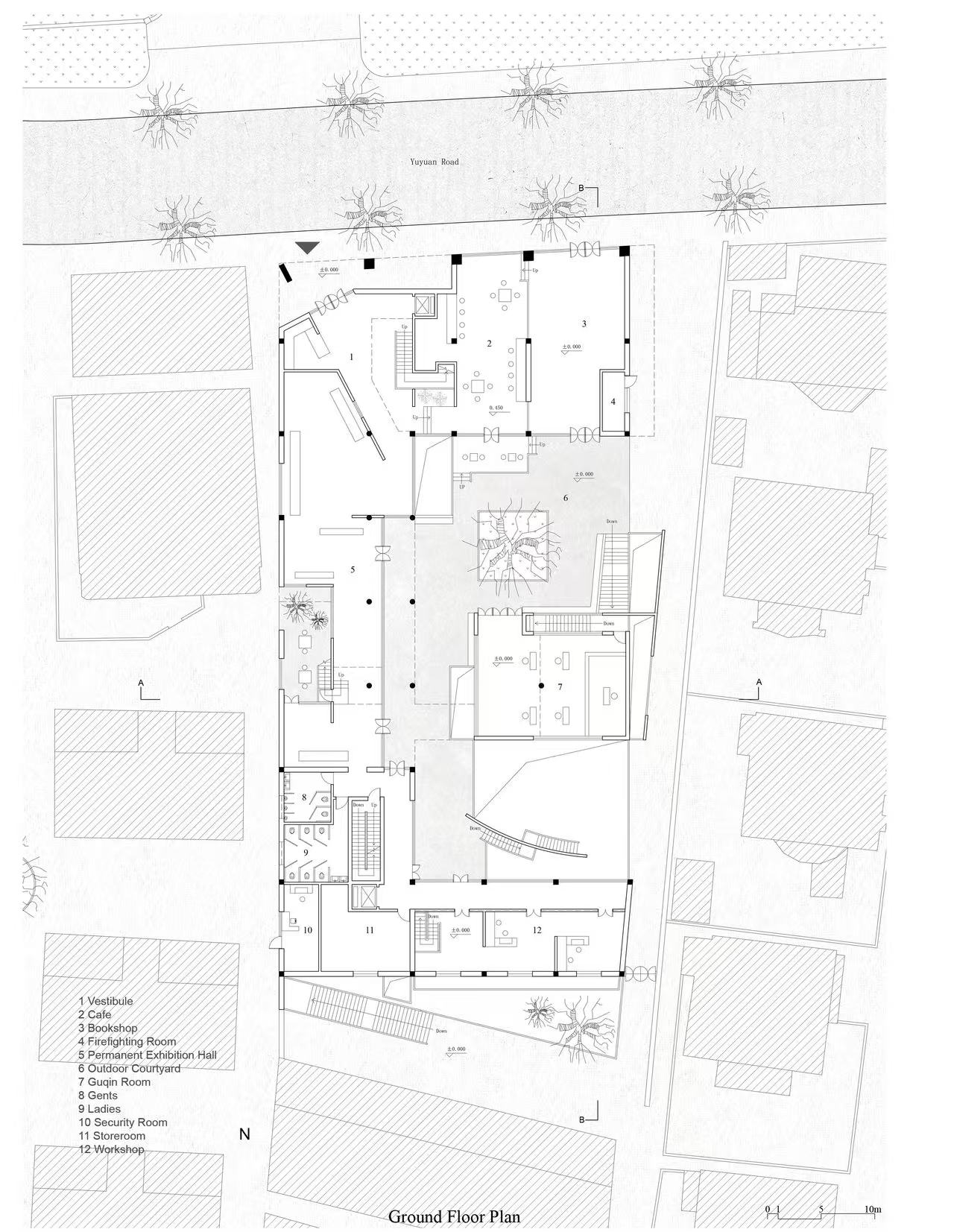
The final design showcases an exhibition pavilion with a multi-level courtyard at its core. The ground floor offers a transparent space, directing commercial activities from Yuyuan Road into the internal courtyard, balancing the need to maintain the street facade while enhancing the liveliness of the pavilion’s interior.
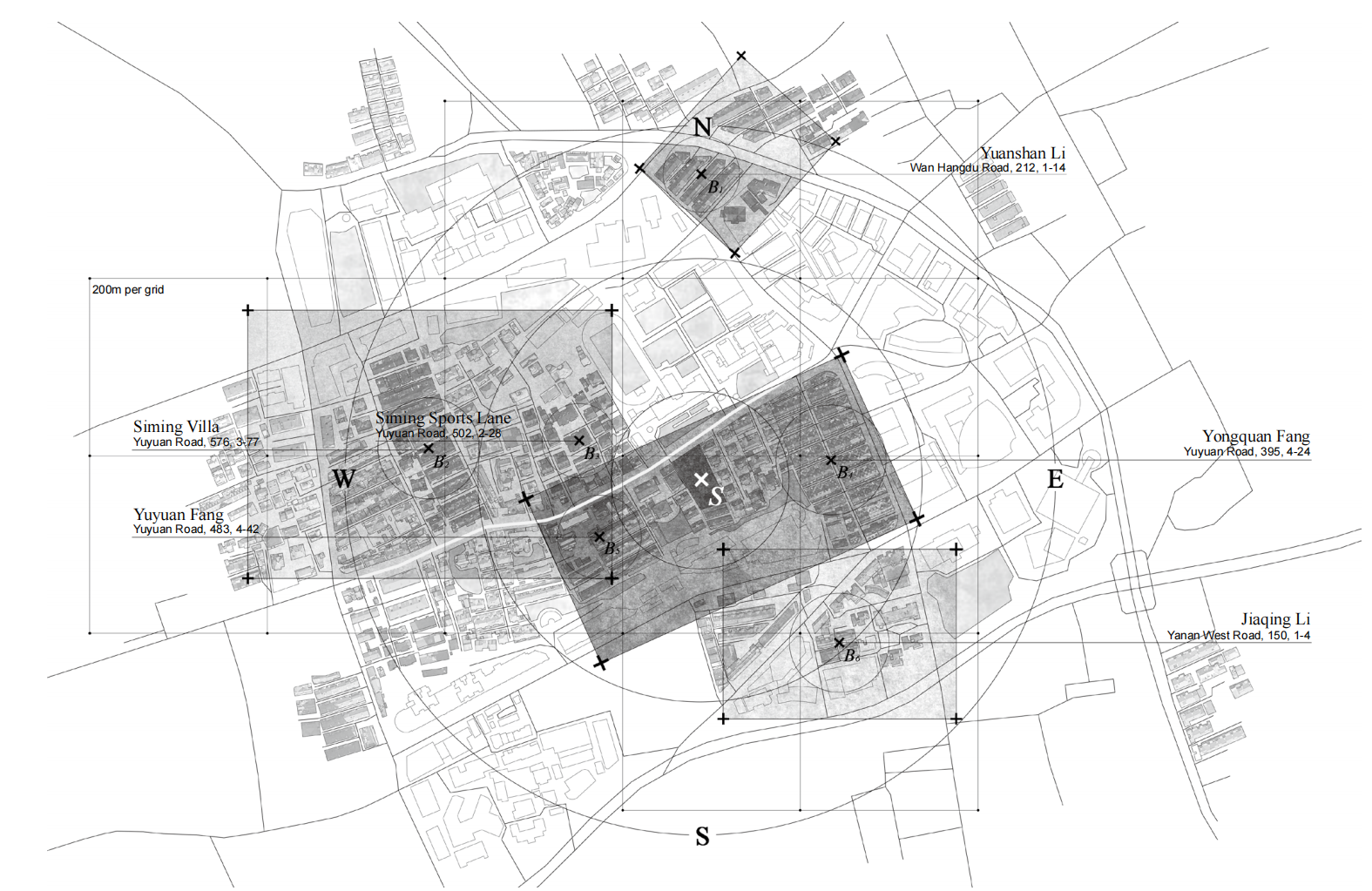
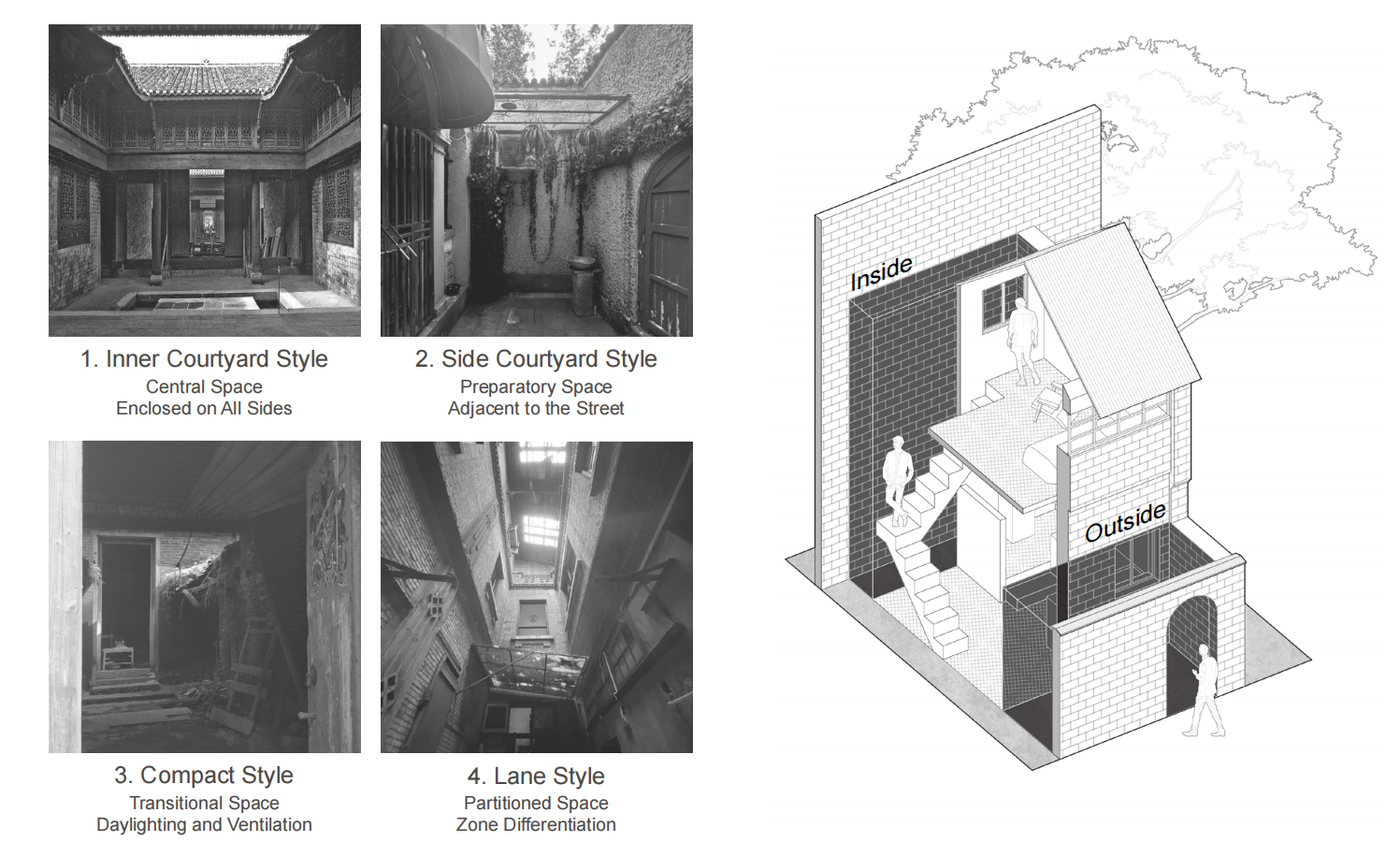
MappingTypology of Lilong Buildings
Lilong Buildings around the Site
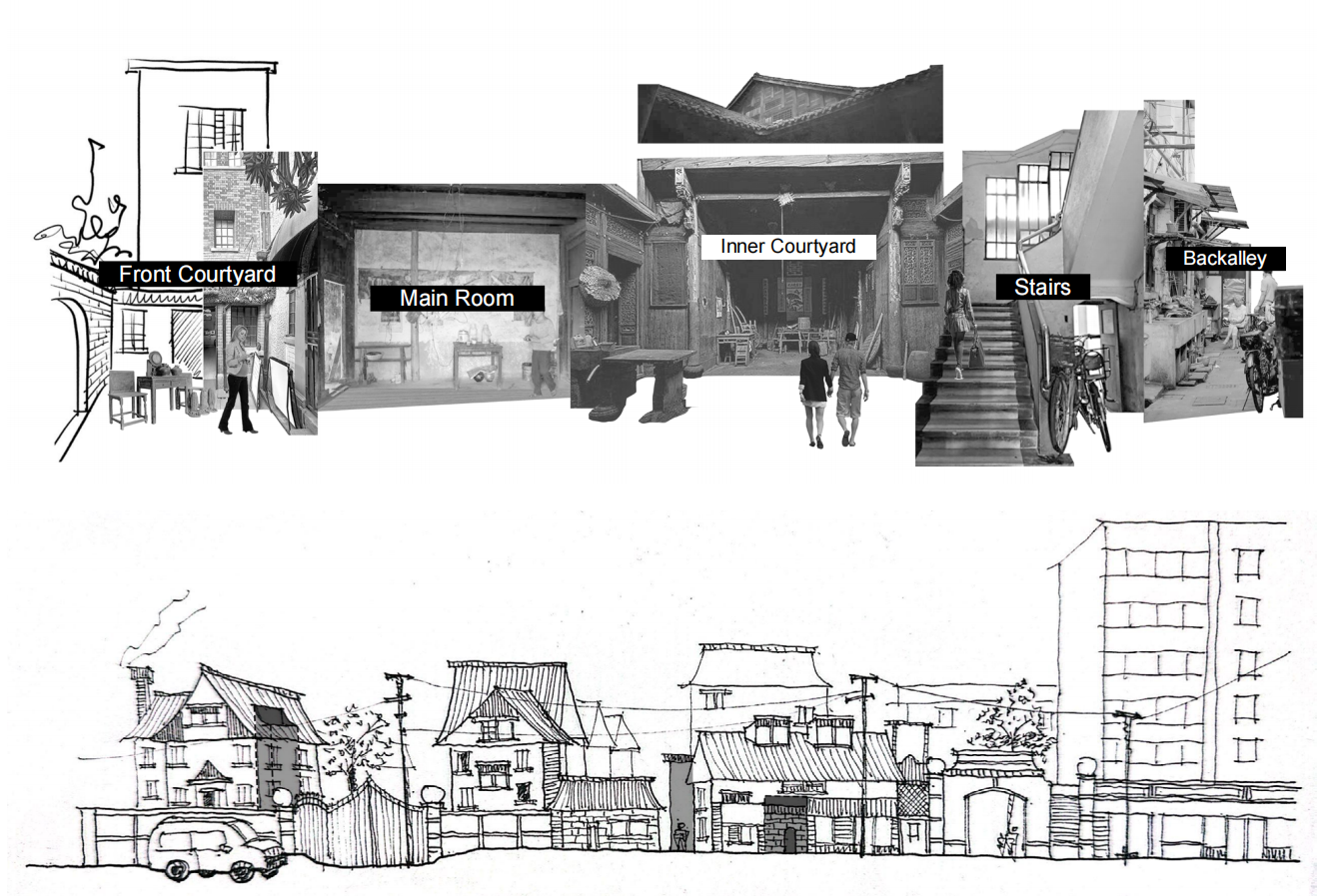
Yuyuan Road is a famous historical street in Shanghai. There are many Shanghai featured residential buildings along the street, which are Lilong buildings. Rooted in such a site, I am eager to find some important architectural elements from Lilong buildings and its unique culture.
Spatial Sequence in Lilong
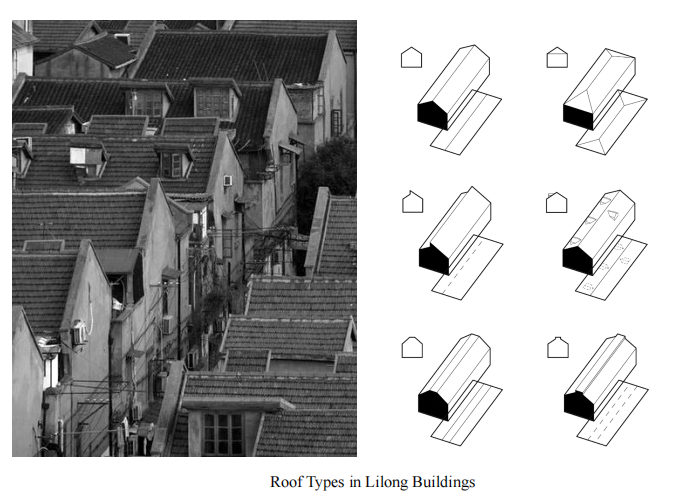
Courtyards in Lilong BuildingRoof Types in Lilong Buildings
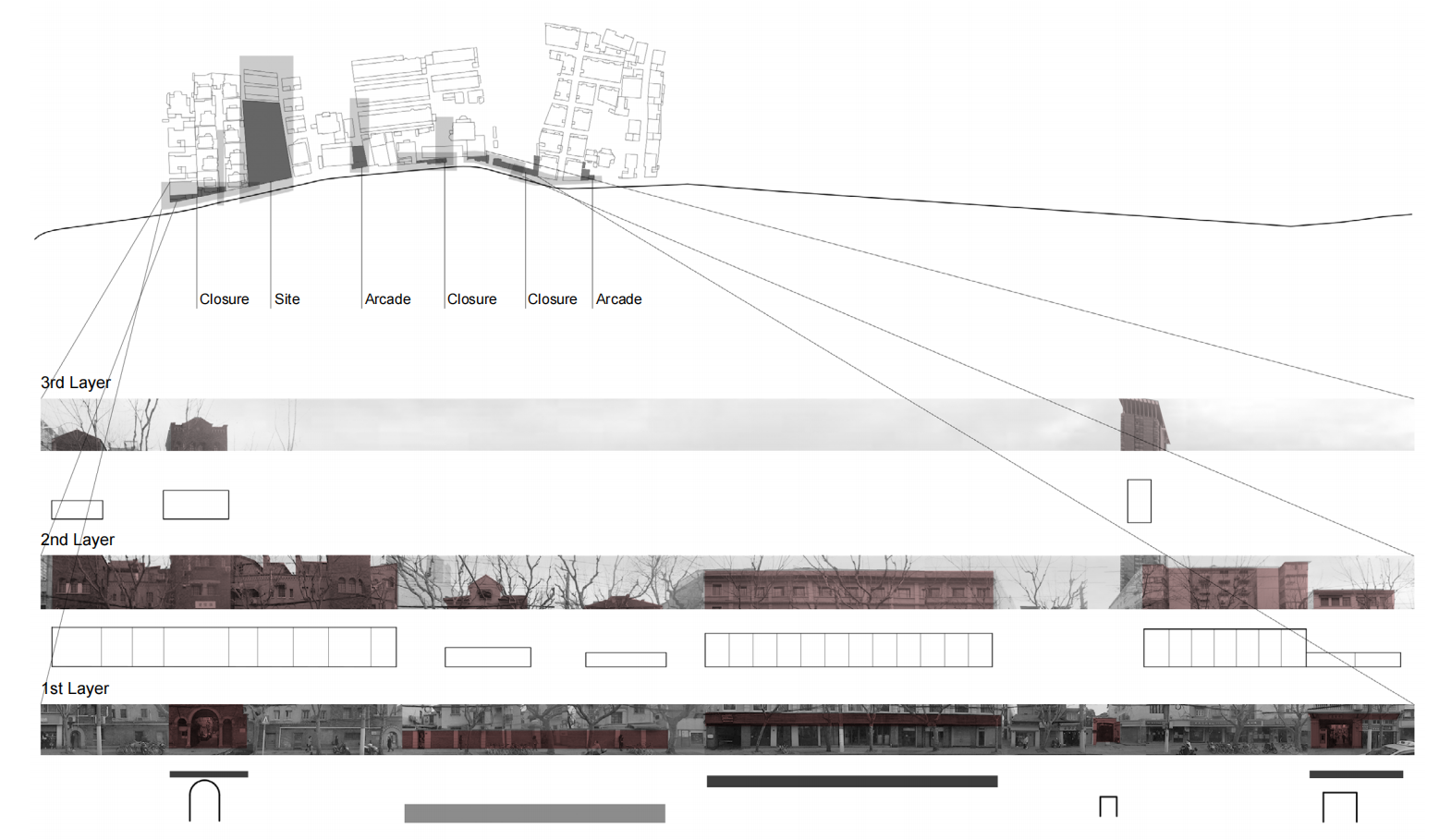
Three Layers of the Old City
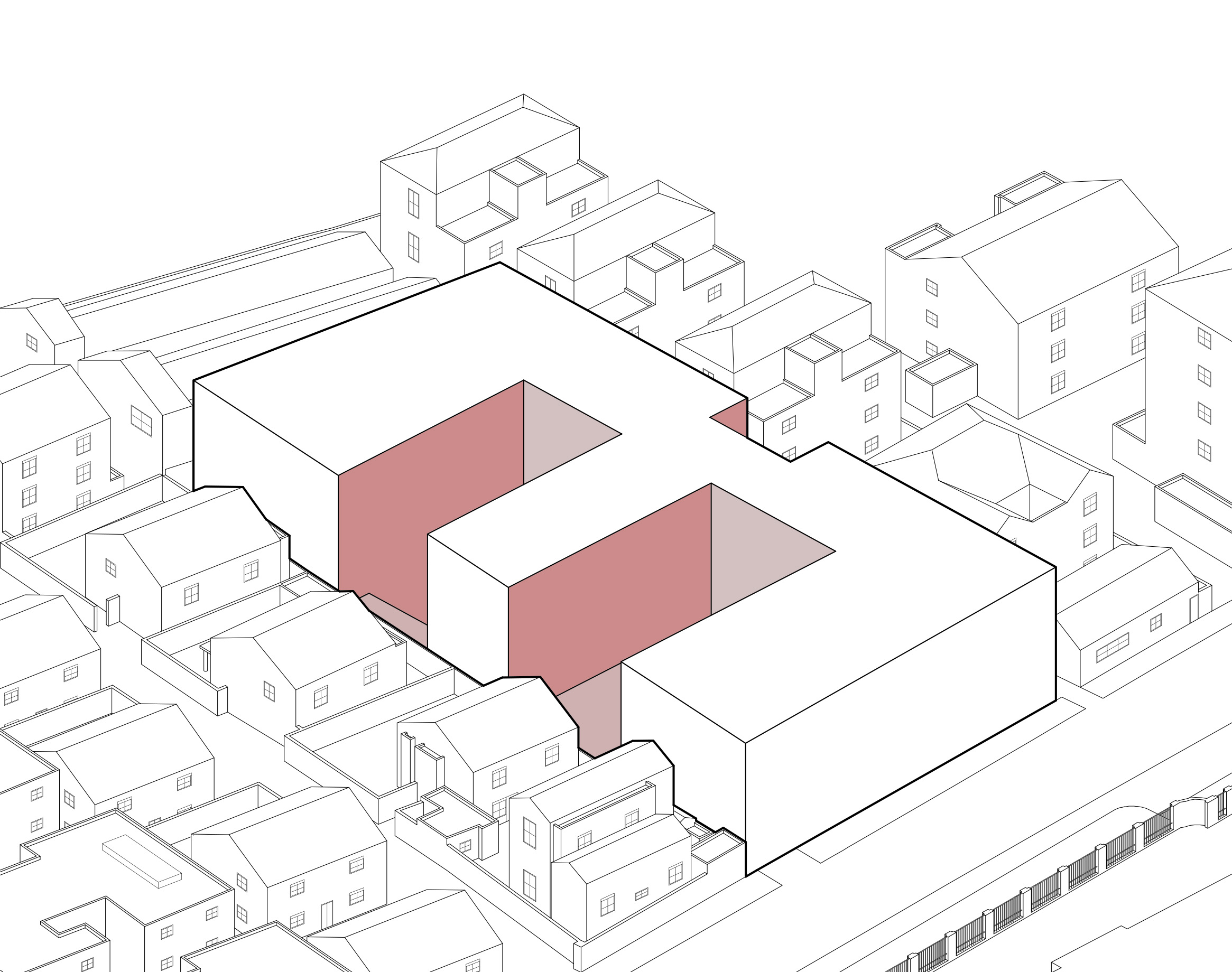
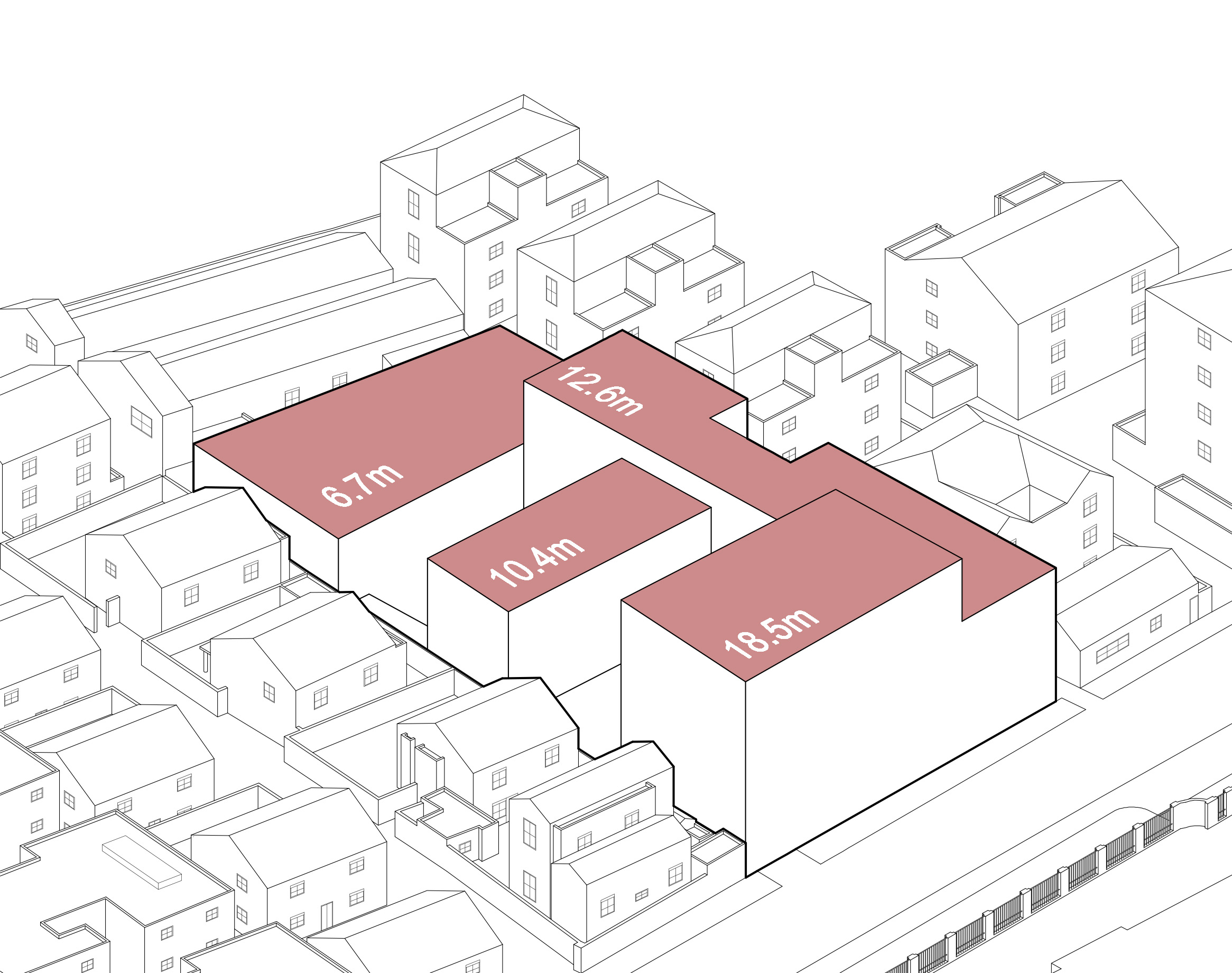
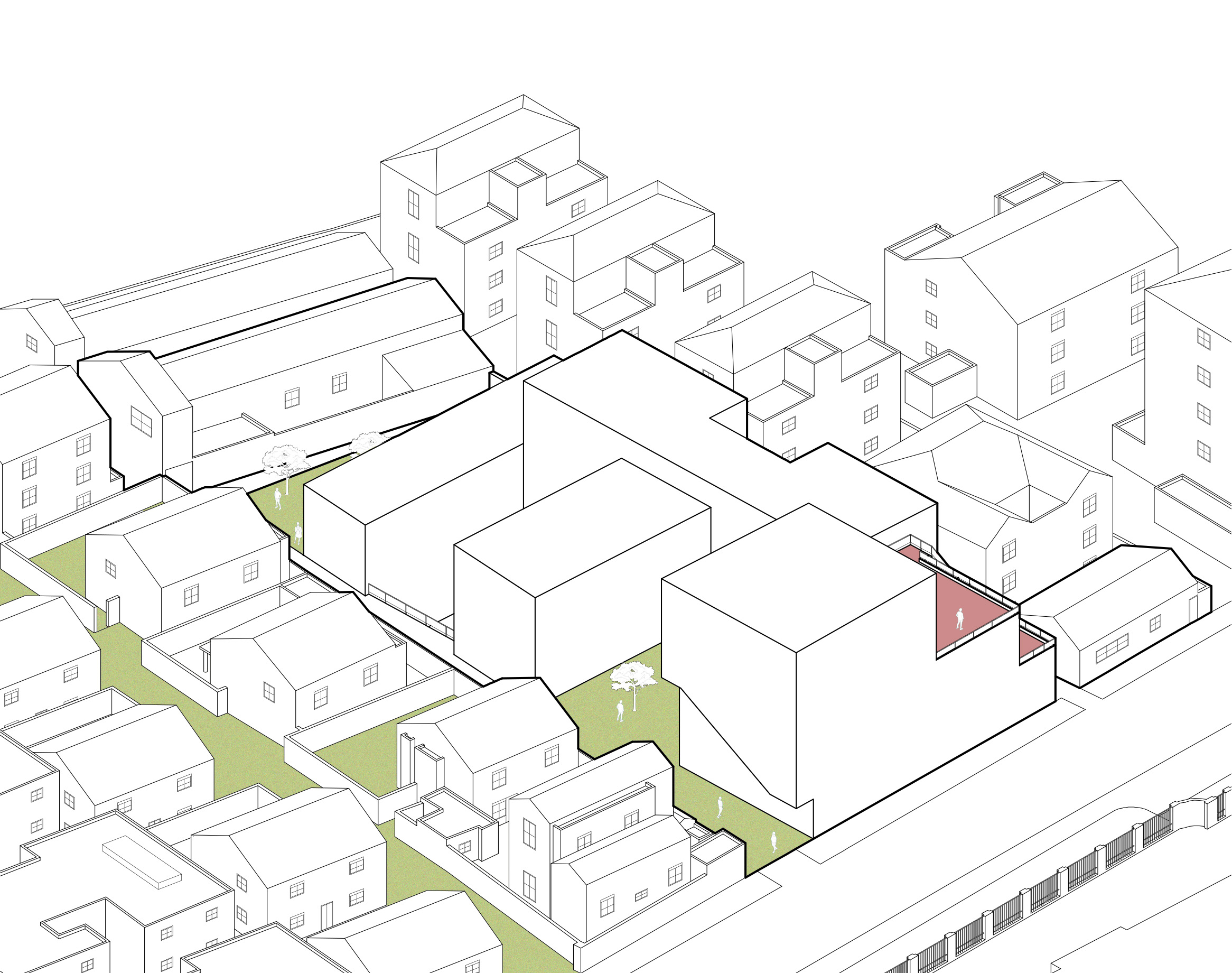
Yuyuan Road is one of the most representative areas in the old city. Its streetscapes and architectural boundaries have created a foundation for urban construction—a foundation of stone blocks and brick walls. Alleyway buildings are established upon such foundations, with their entrances, materials, and responses all related to them. I attempt to analyze the relationship between the streets of the old city and the boundaries of alley communities, as well as the ways in which new buildings integrate through design.
figure
Texture Continuation
Height Control
Height Control
Boundary Response
Boundary Response
Courtyard Connectivity
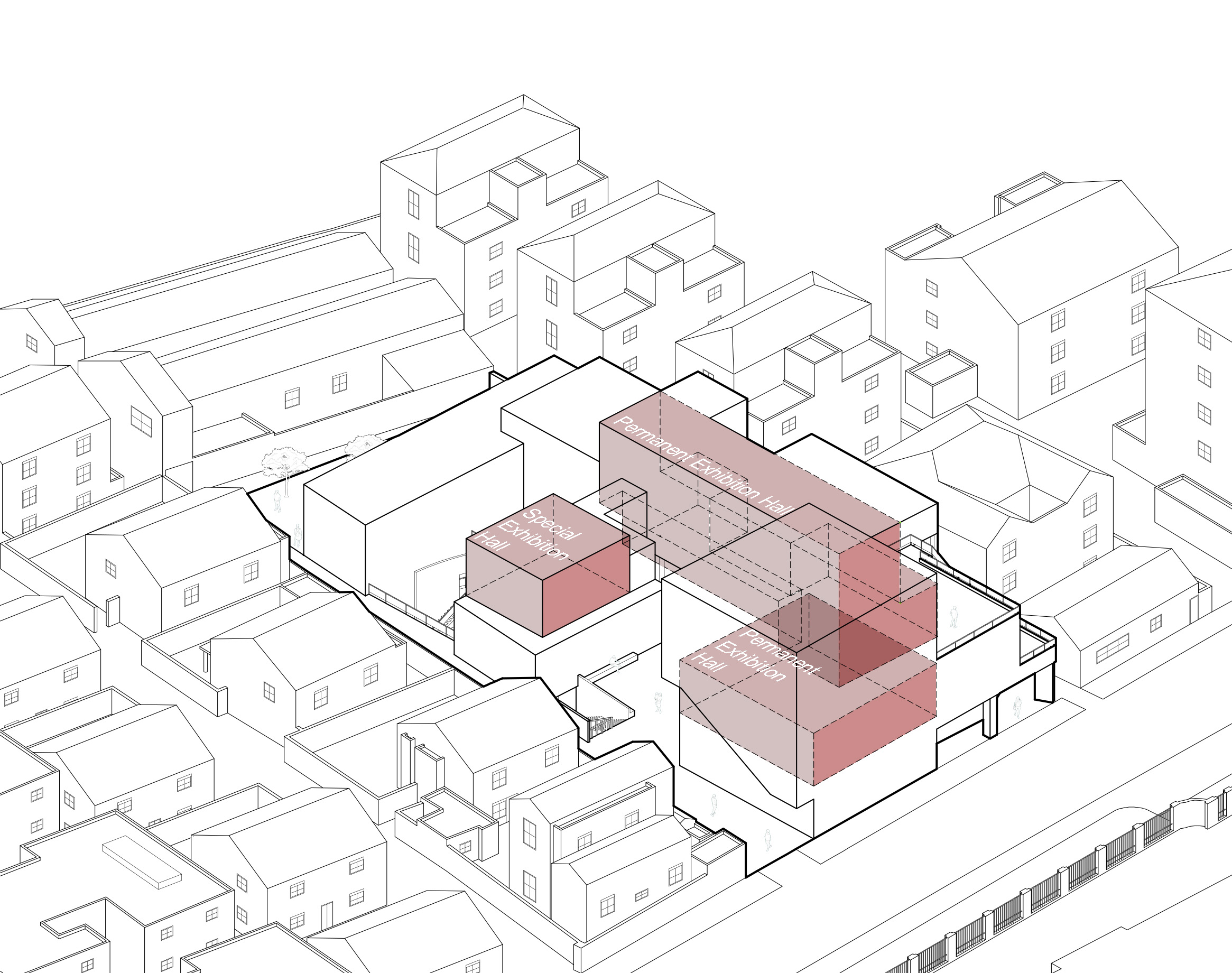
Exhibition Arrangement
Roof Form
Roof Form
Design Process
figure
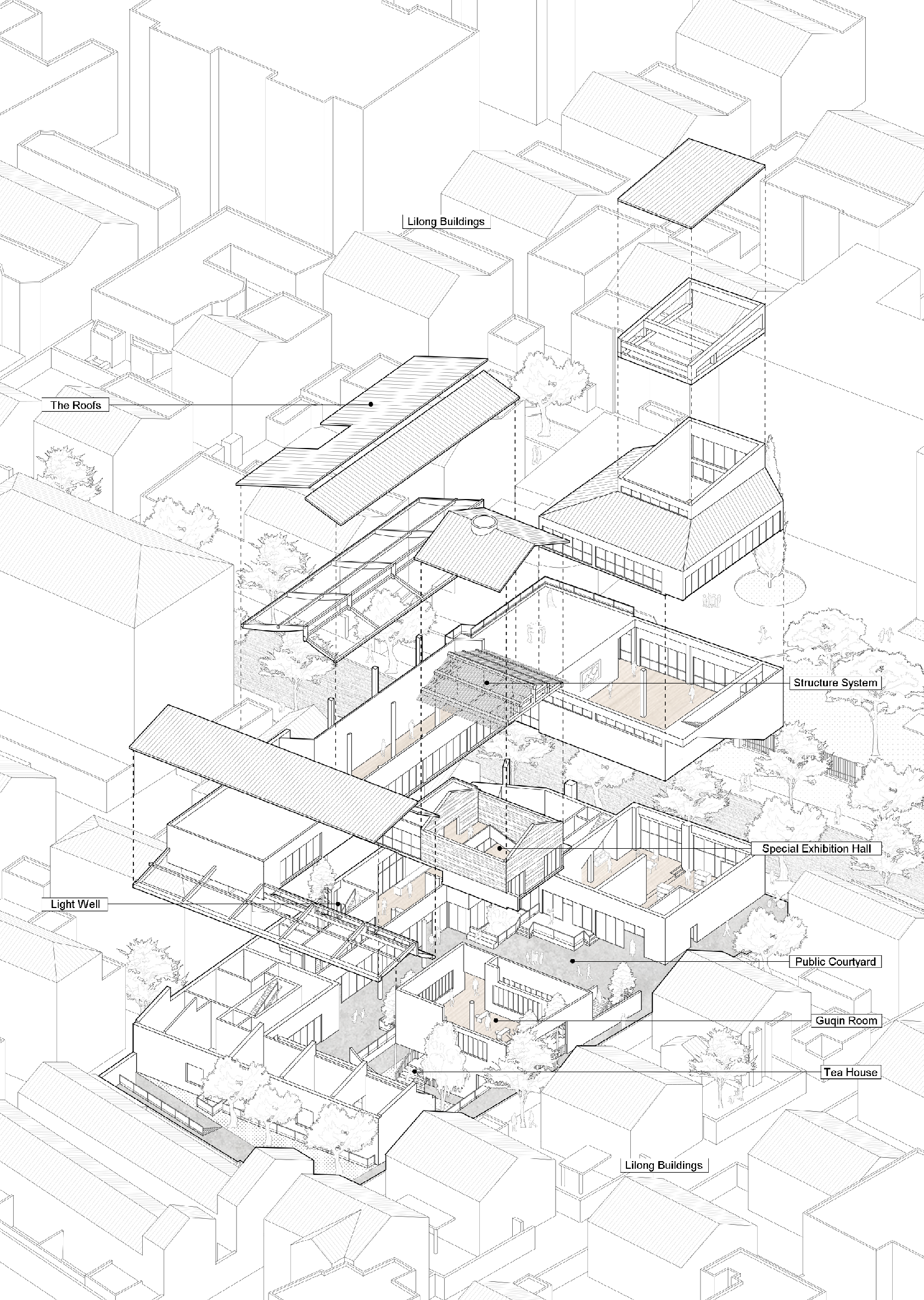
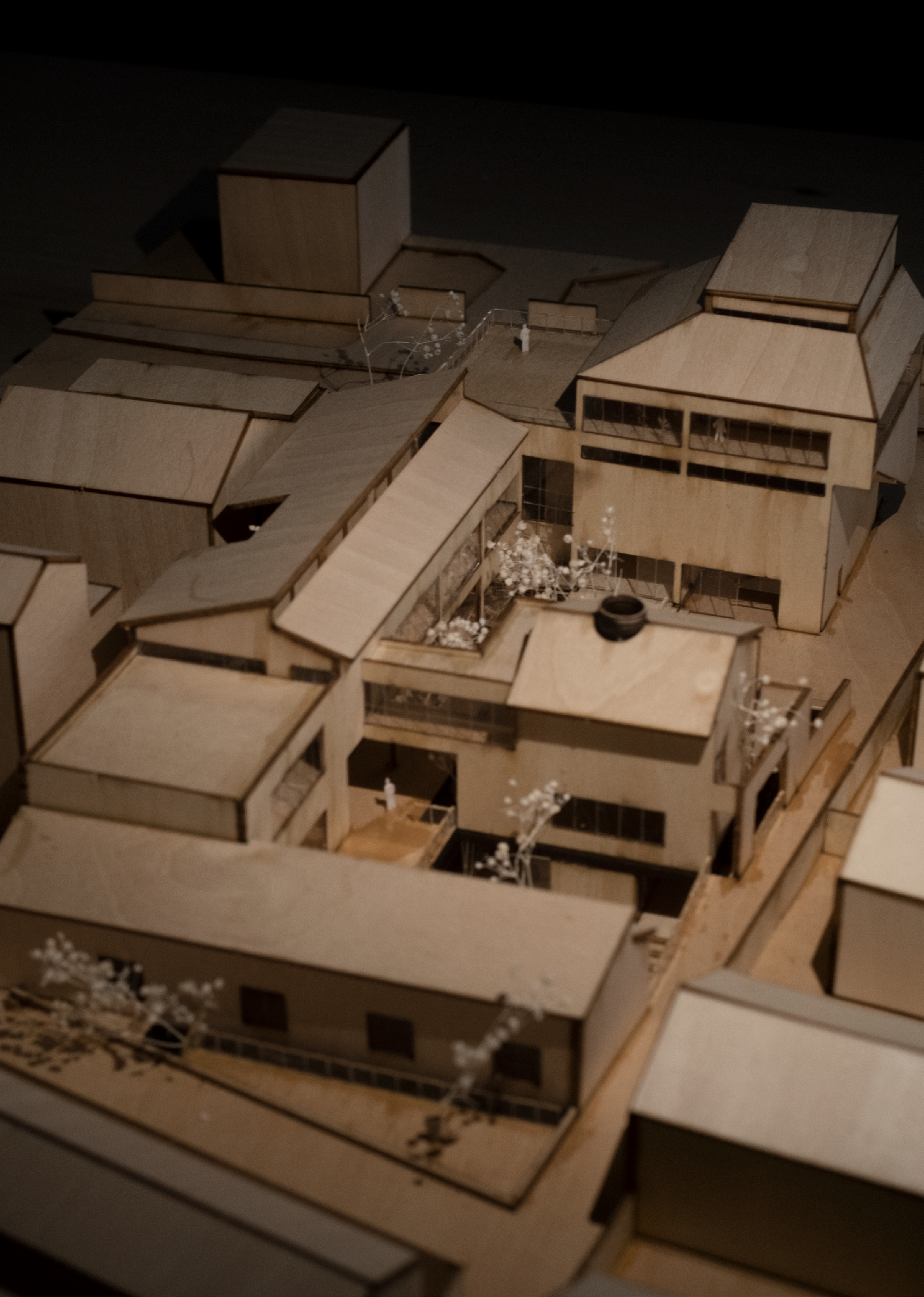
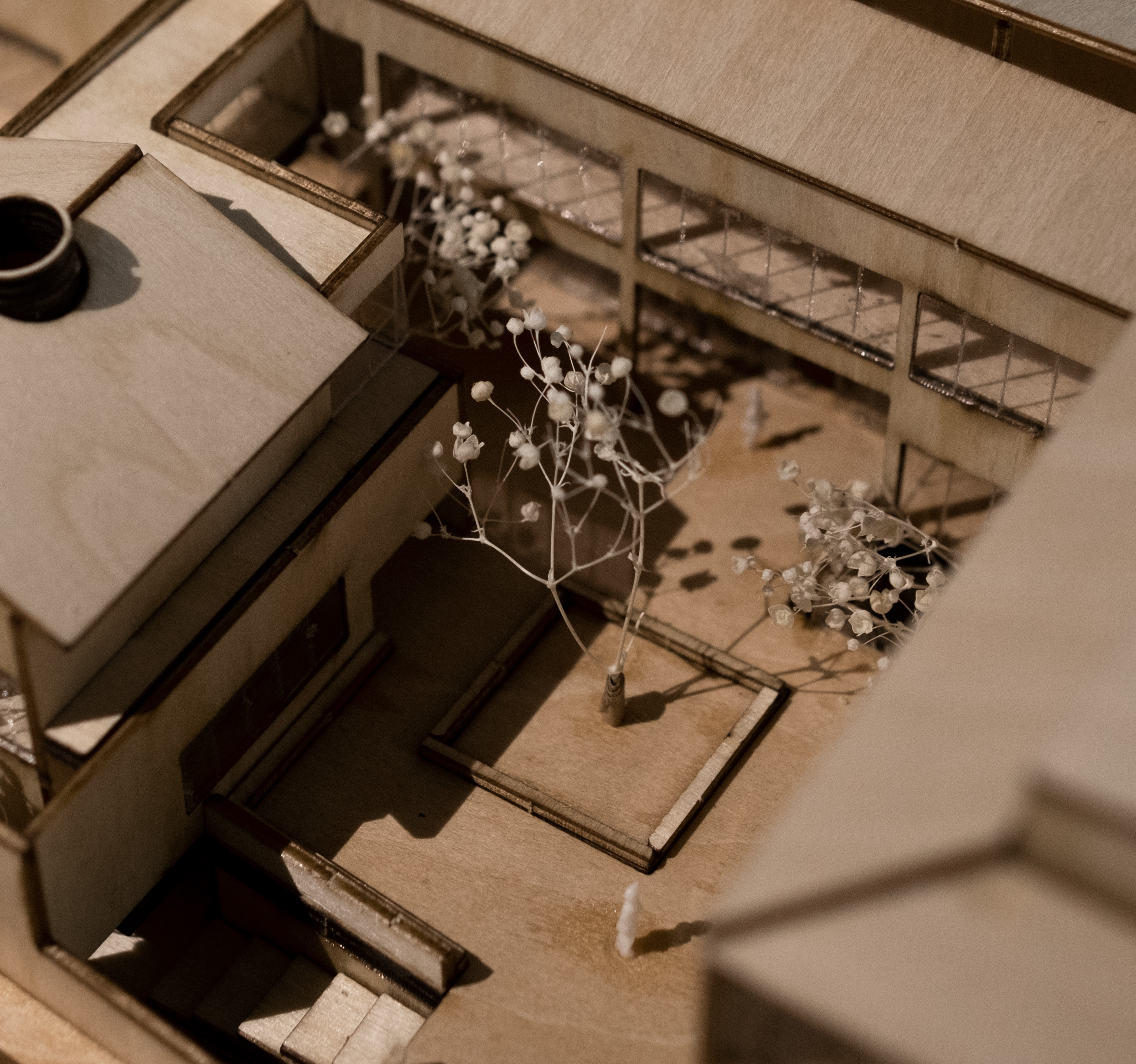
Axonometric DrawingModel Image
figure
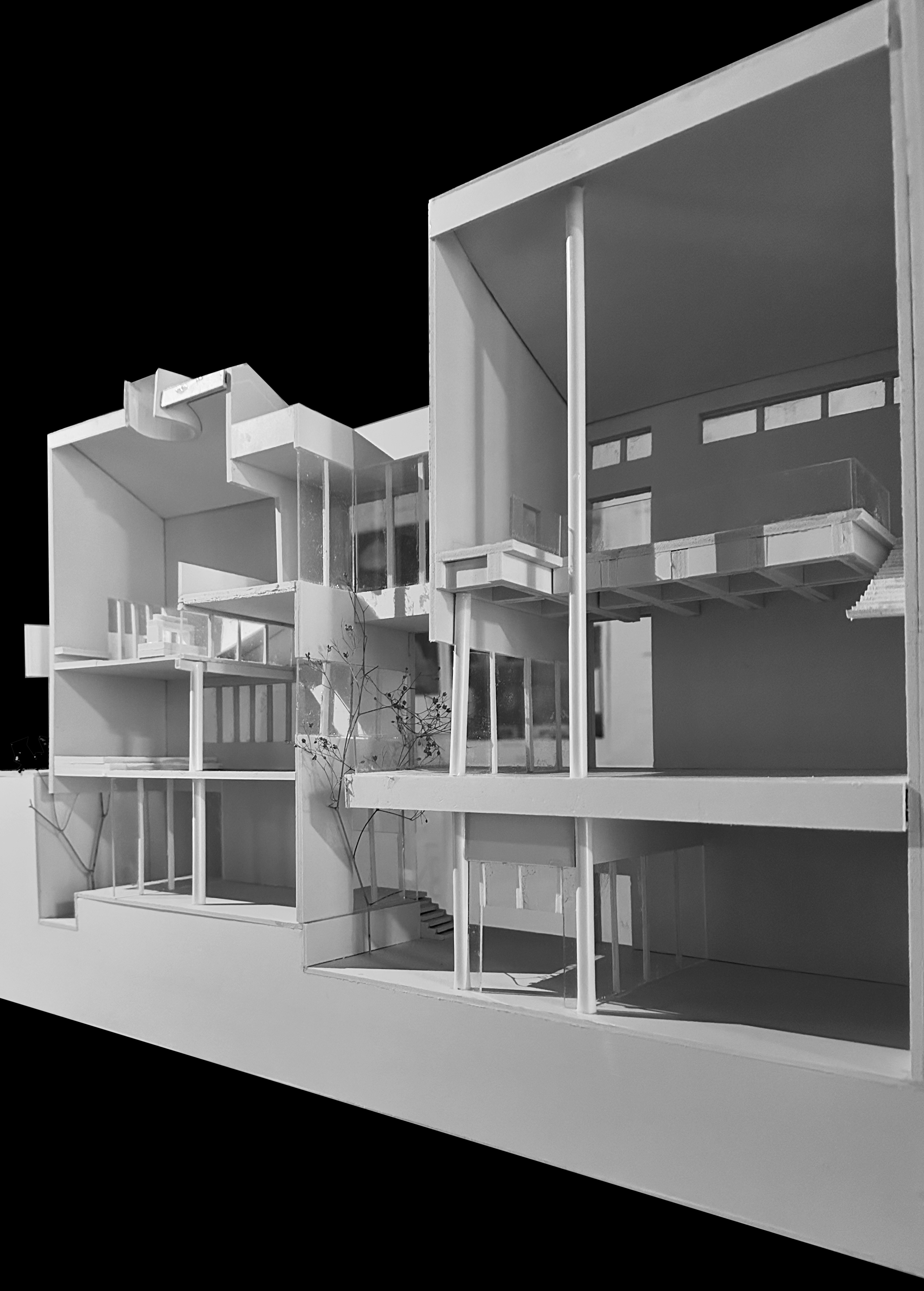
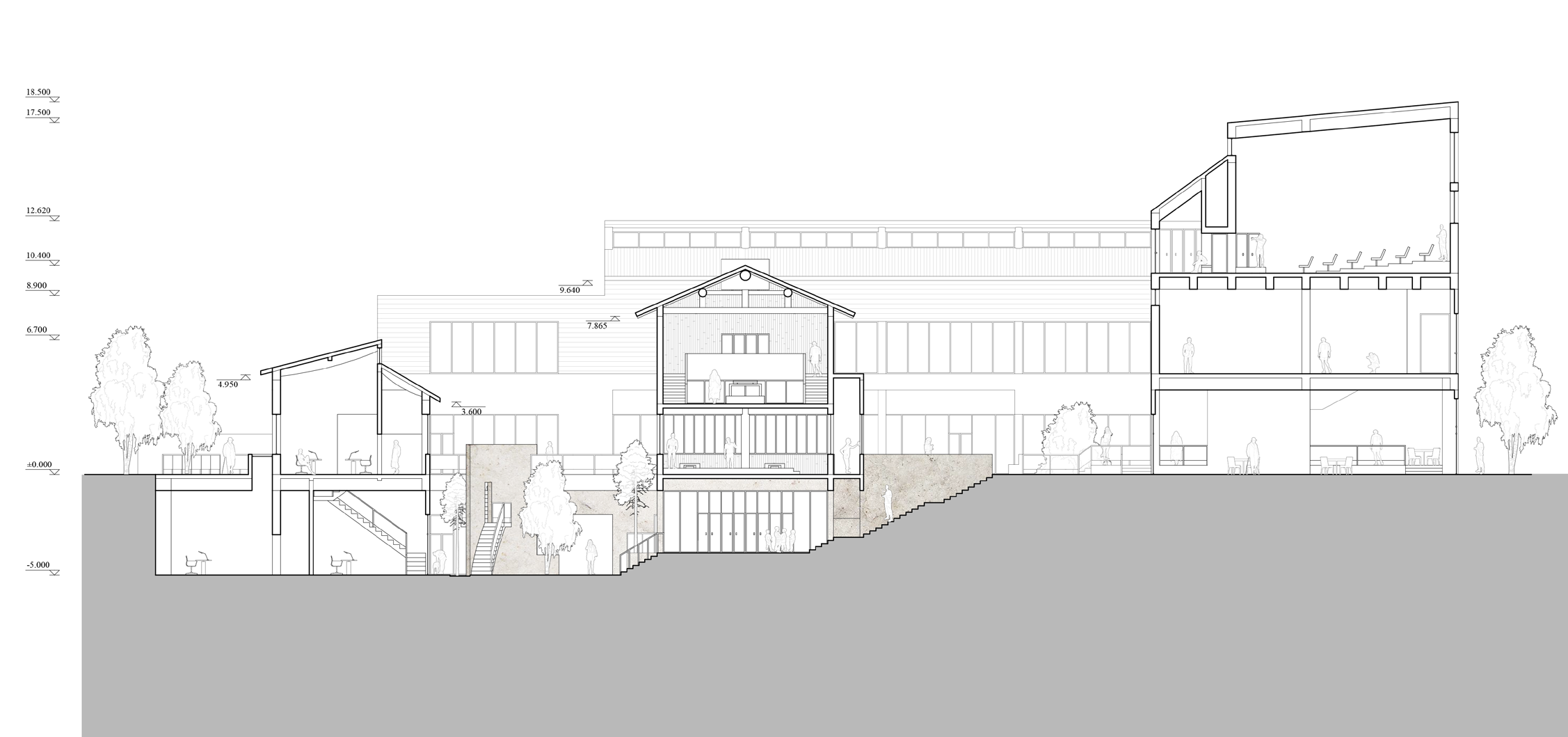
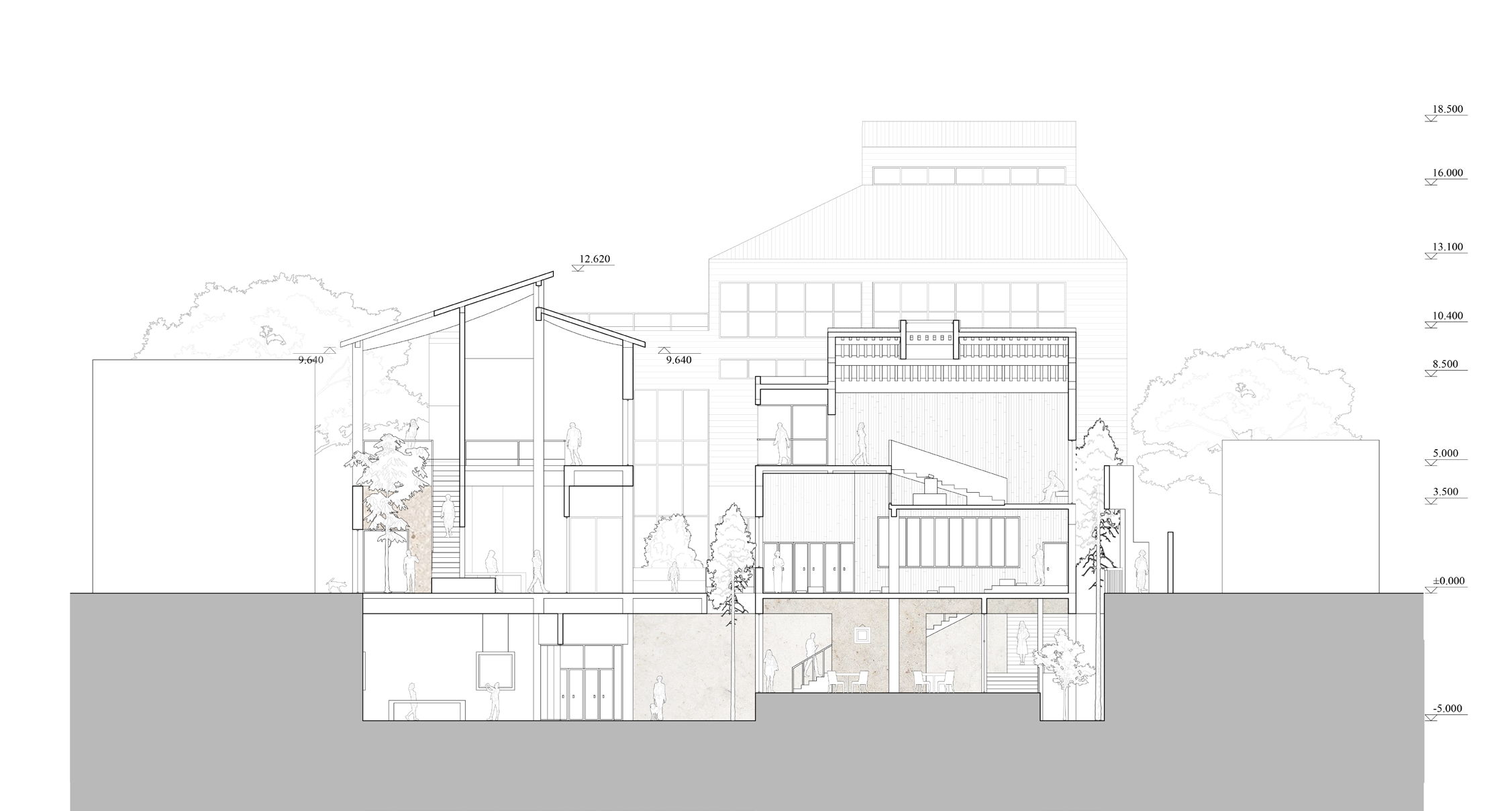
Section B-B
Section B-B
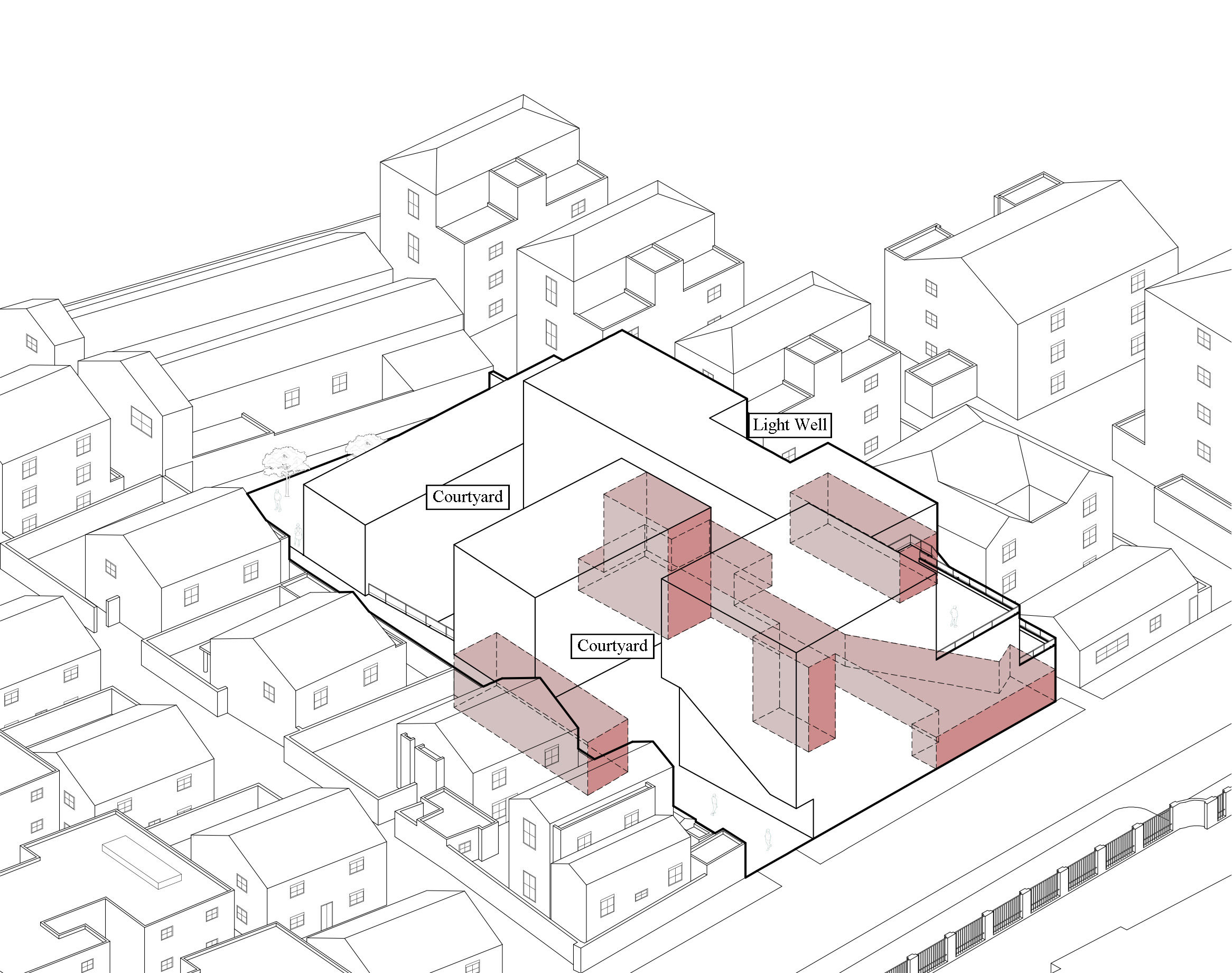
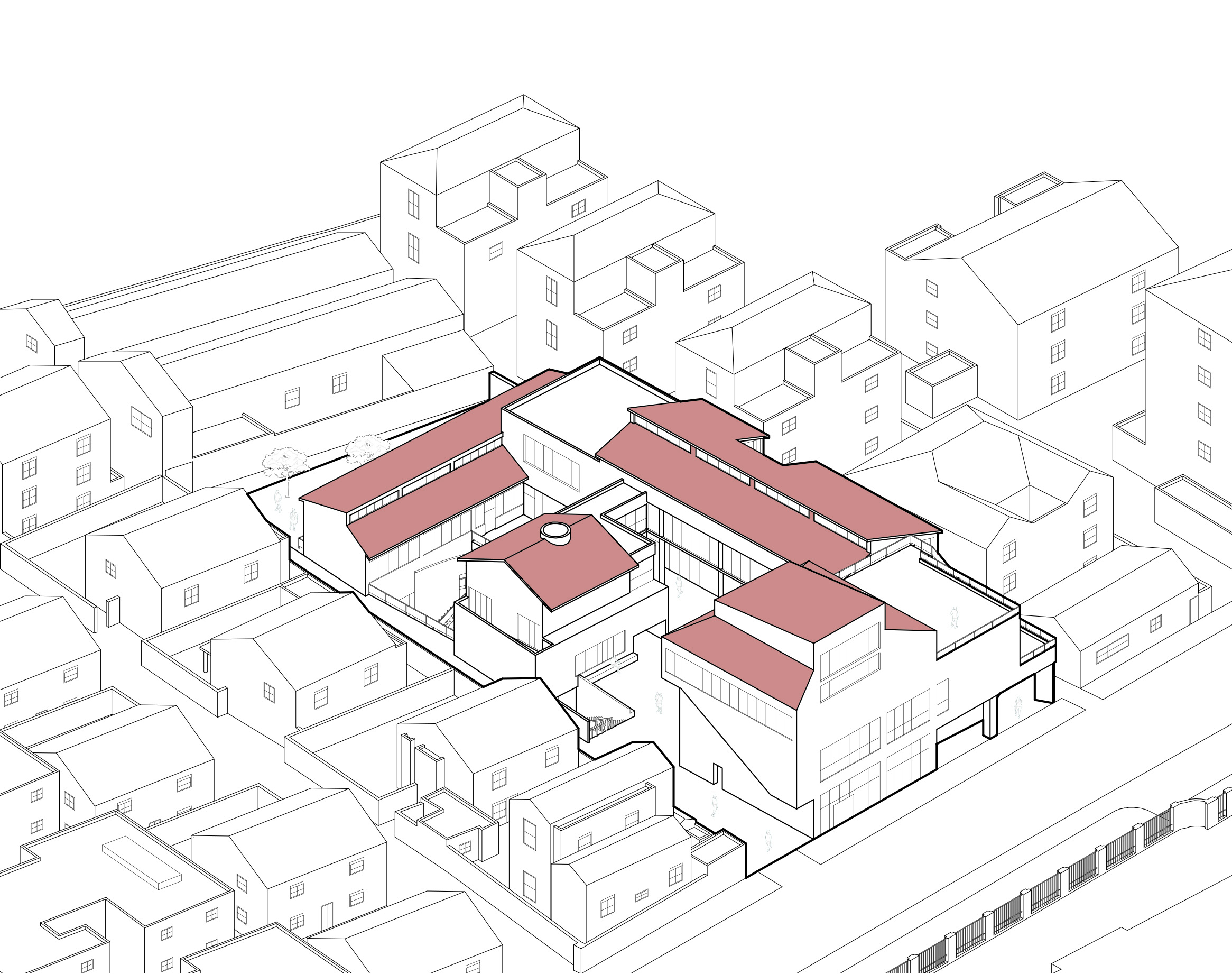
With the special exhibition hall (Guqin), guqin room and tea house as the core, two public courtyards are formed to organize the exhibition space | Public courtyards along the street expand the functions of commercial activities in Yuyuan Road | The sloping roof shape responds to the texture of the site
Section A-A
Section A-A
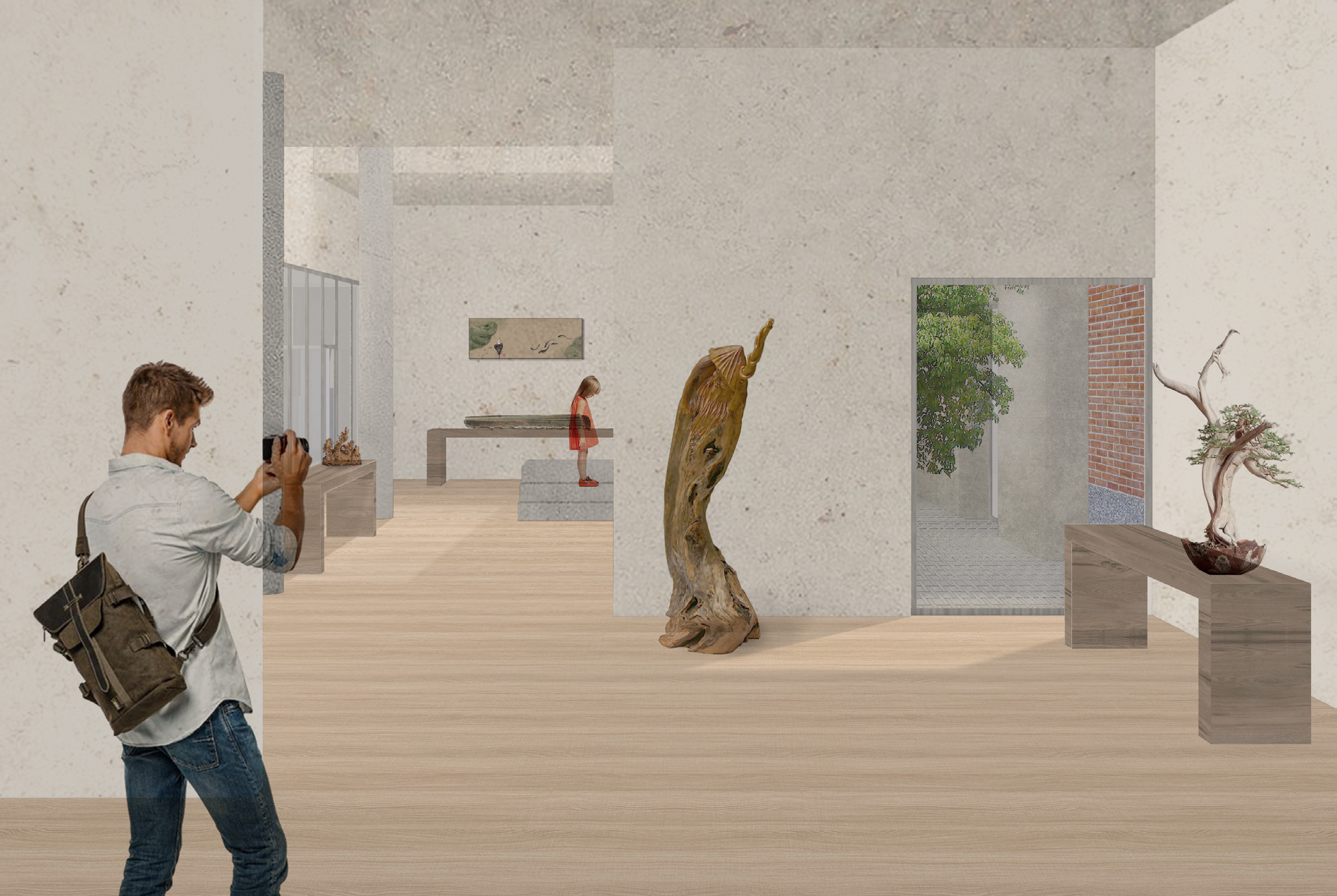
Inner Courtyard and Exhibition
figure
Courtyard and Boundary Strategy
The buildings are connected to the entire site's activities and spatial orientation through two public courtyards and a narrow atrium. While forming a holistic enclosure around the core, the design considers the lane buildings on both sides. Through methods such as setback, penetration, and shared courtyards, it humbly responds, intending to integrate rather than assert its uniqueness.The flow formed by the roofs of the old buildings surrounding the site is dynamically integrated into the site, adding rhythm to the facades of the old city.